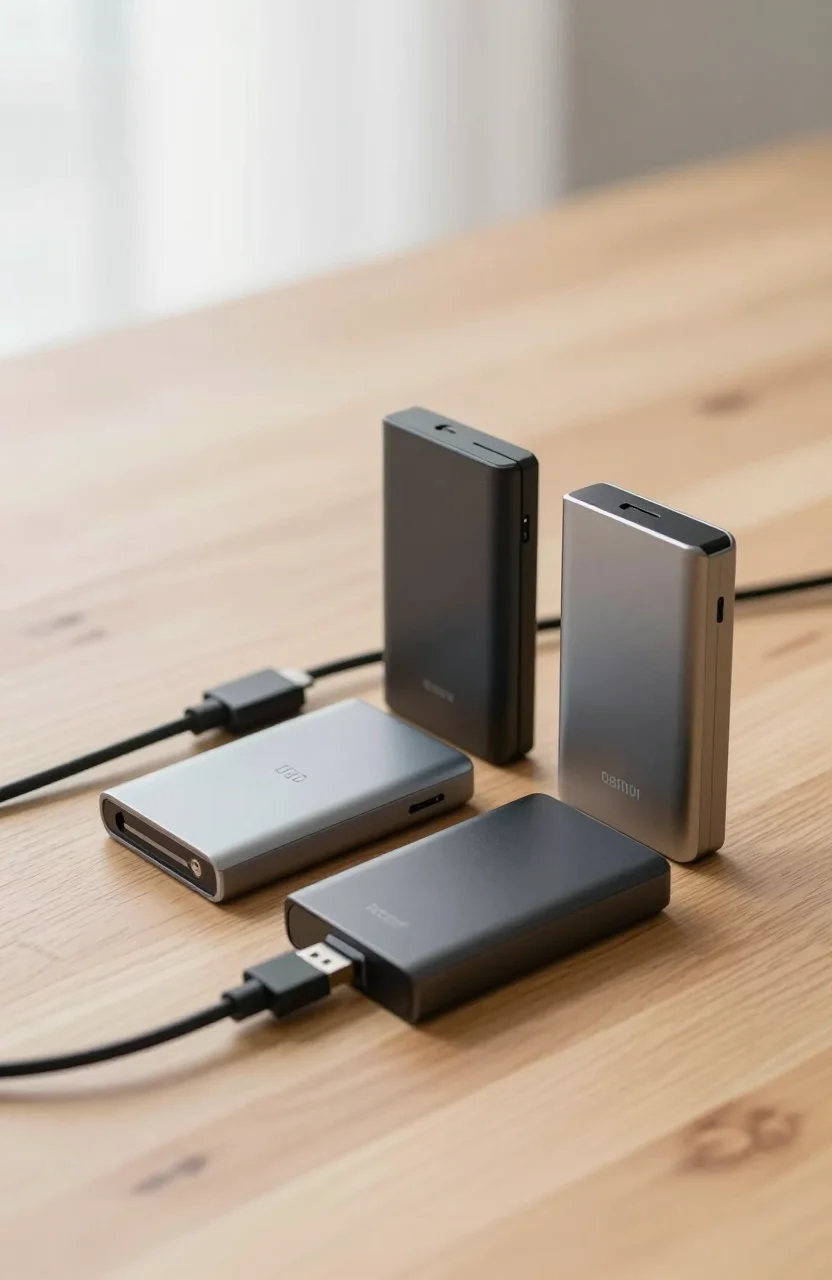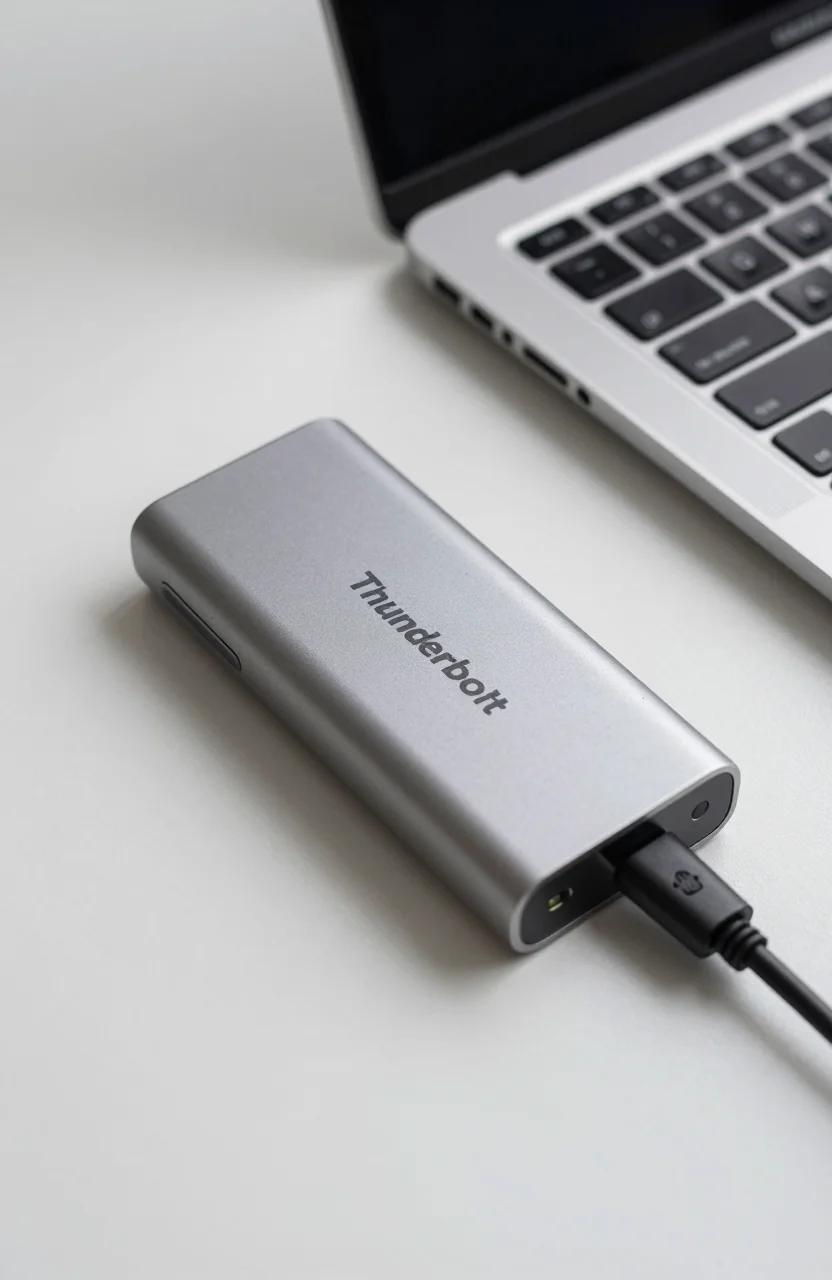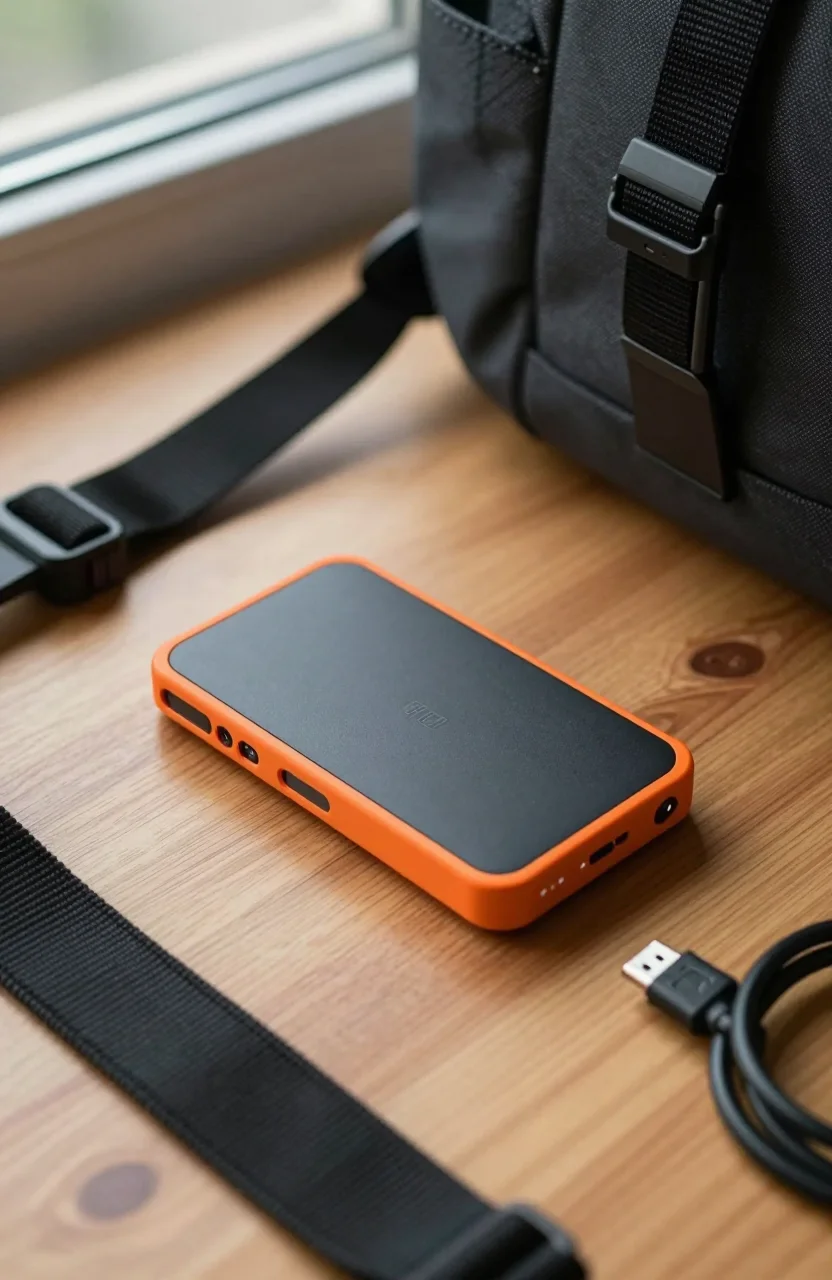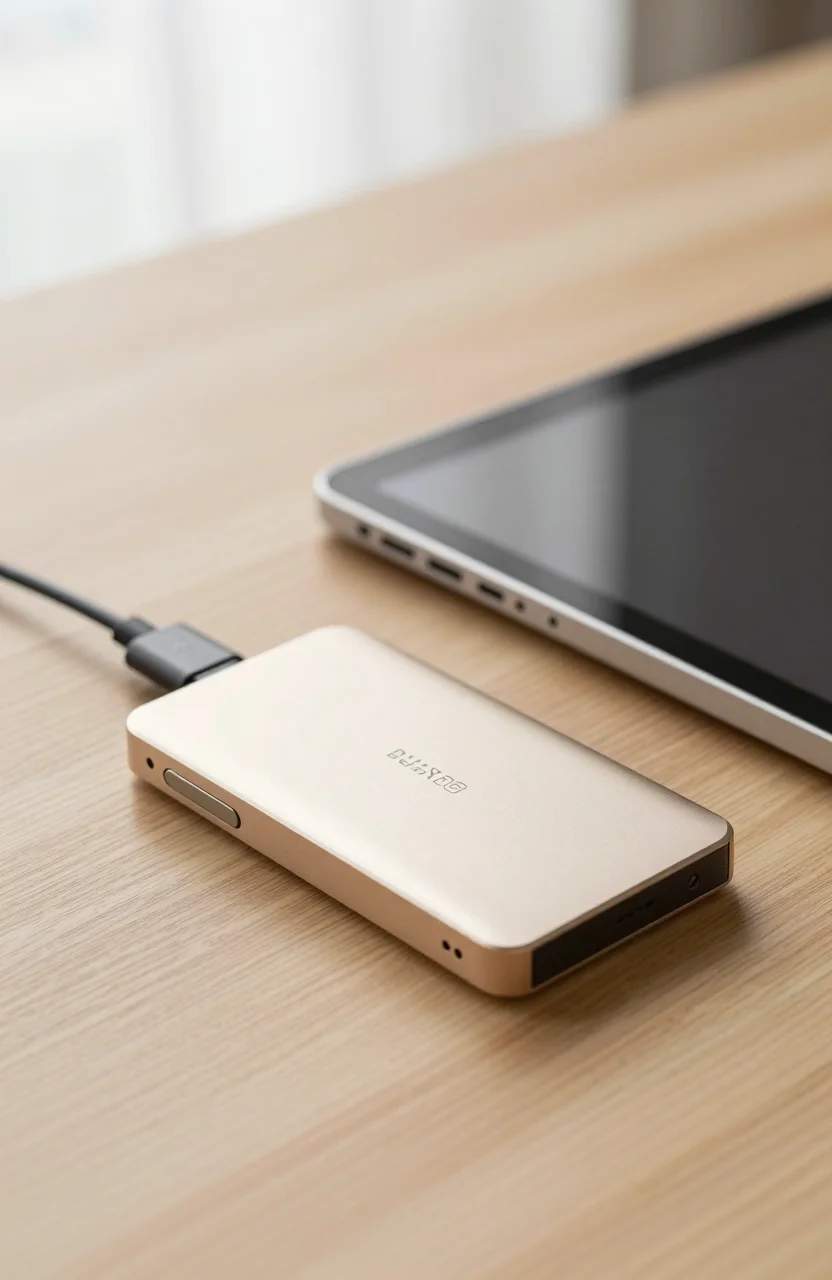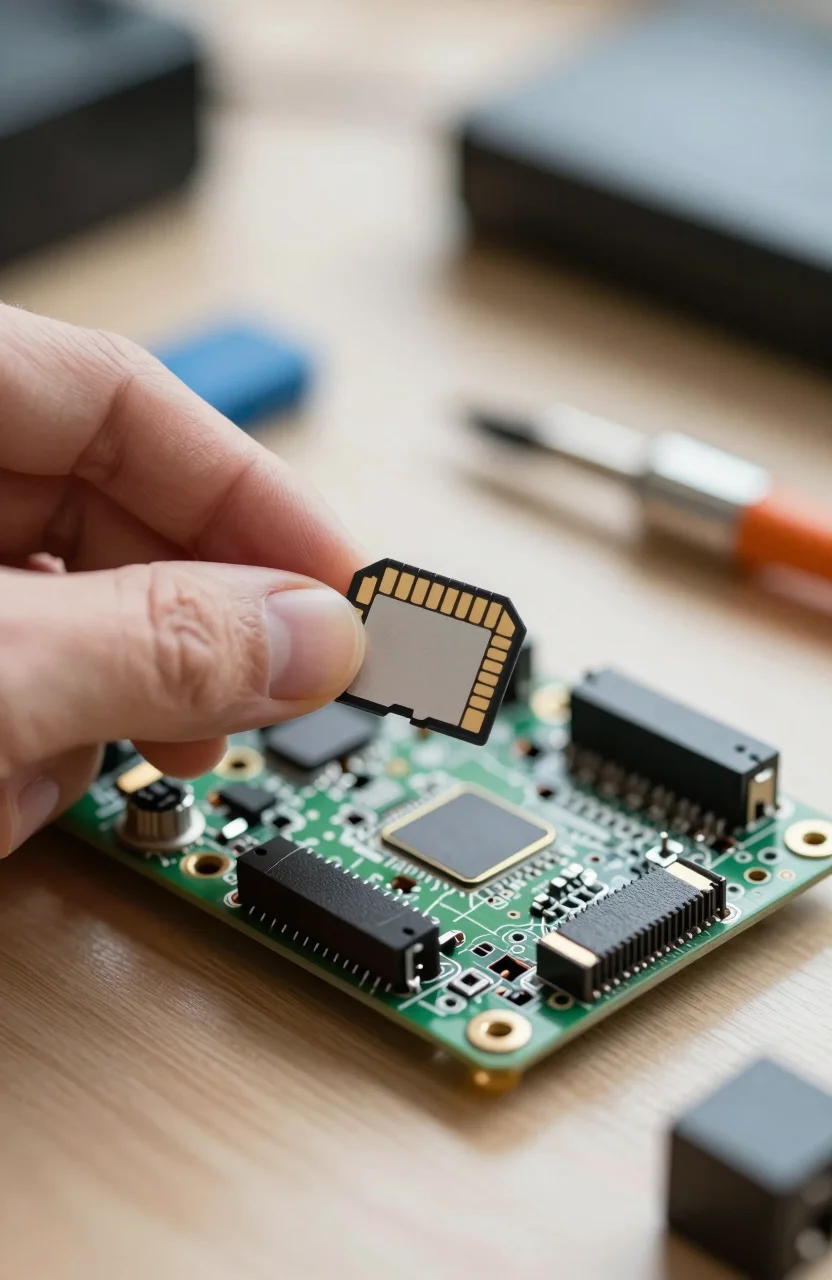
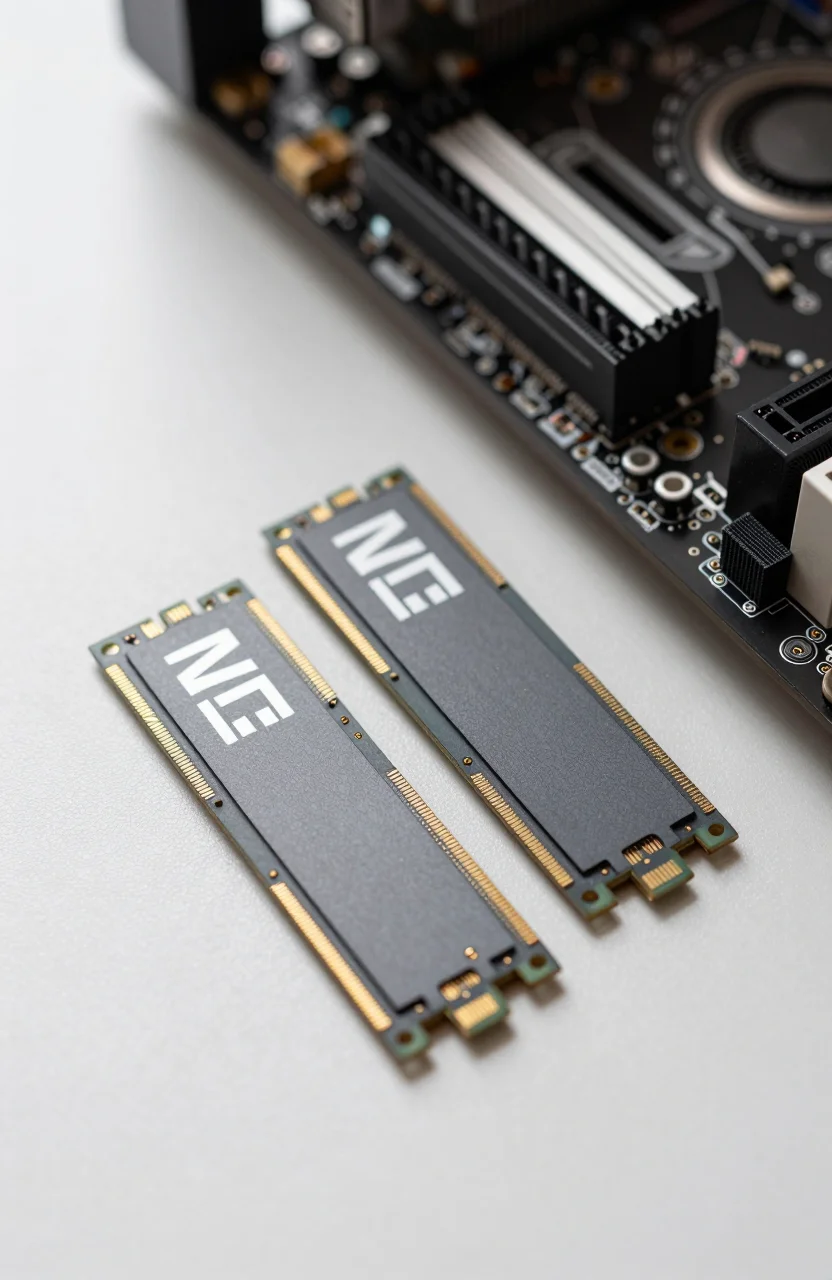
QLC and TLC describe how many bits each NAND cell stores. That single detail changes endurance, sustained write behavior, and the price you see per gigabyte. In 2026 both types ship in mainstream NVMe and SATA drives. The useful question is not which technology is "better" in a lab. It is which one matches your workload without overpaying.
Start with how you write data, then look at TBW and live $/GB on the SSD listings. For a reality check on street pricing, keep SSD price per GB in 2026 open beside the cart.
| Best Choice | Best Price | - | |
|---|---|---|---|
| Preview |  |  |  |
| Title | Crucial T500 2TB NVMe SSD | Crucial BX500 SATA SSD 1TB | Samsung SSD 990 PRO 1TB NVMe |
| Capacity | 2TB | 1TB | 1TB |
| Read speed | Up to 7,400MB/s | Up to 540MB/s | Up to 7,450MB/s |
| Interface | PCIe NVMe | SATA | PCIe NVMe |
| Rating | 4.8 / 55,550 reviews | 4.6 / 55,353 reviews | 4.8 / 513,320 reviews |
| Price | $369.50$449.99 | $54.99$69.99 | $179.99$239.99 |
| Buy on Amazon | Buy on Amazon | Buy on Amazon |
What TLC and QLC actually change
TLC (triple-level cell) stores three bits per cell. It remains the default for boot drives, gaming libraries, and creative scratch disks. Controllers handle TLC well, SLC caches refill quickly enough for everyday bursts, and manufacturer TBW ratings are usually higher than QLC siblings at the same capacity.
QLC (quad-level cell) stores four bits per cell. Density goes up, so large capacities often look cheaper per GB. The cost is slower sustained writes once the fast cache fills, and lower official endurance. For cold media archives, installers, and games you launch more than you rewrite, QLC can be fine. For a drive that sees constant downloads, video exports, or virtual machine disks, TLC is the safer buy.
Neither label alone guarantees quality. A well-tuned QLC drive with a generous cache can feel snappy in short bursts. A bargain TLC drive with a weak controller can still stutter. Read the TBW rating, DRAM vs host-memory cache notes, and recent firmware reputation - not just the NAND acronym on the box.
Choose by workload: boot, gaming, archive
Boot and OS drive
Pick TLC. The operating system, browsers, and app updates write small files constantly. You want responsive random writes and headroom for years of updates. A TLC NVMe like the Crucial T500 is the kind of drive that fits this role without drama. Street pricing on popular 1TB/2TB TLC models often lands near the competitive mid-range - verify the live tag before you buy.
Gaming library
Games are mostly read after install. TLC still wins if you reinstall often, keep shader caches busy, or store creative apps on the same volume. QLC can work for a secondary game archive if you accept longer copy times when the cache is exhausted. Many buyers still prefer TLC under $80-class 1TB deals; see best internal 1TB NVMe SSDs under $80 for current value picks.
Cold archive and bulk media
QLC shines when you write once and read occasionally: finished exports, disk images, recorded classes. Pair large QLC capacity with a backup habit. Do not use a single QLC stick as the only copy of irreplaceable files. For pure $/GB math on any candidate, run the numbers in the cost per GB calculator.
Endurance (TBW) and price per GB
TBW (terabytes written) is the vendor's endurance budget for the warranty period. Higher is better, but you should translate it into your life. Writing 20GB per day is about 7TB per year. A 300TBW rating then covers many years of light desktop use. Video editors pushing hundreds of gigabytes daily will burn that budget faster and should favor higher-TBW TLC.
Price per GB still decides cart psychology. QLC often undercuts TLC at 2TB and above. That savings only matters if the drive stays fast enough for your writes. When a TLC drive and a QLC drive land within a few dollars per TB, take the TLC. When QLC is dramatically cheaper and your writes are light, take the capacity.
Budget SATA options like the Crucial BX500 remain useful for older PCs or secondary bays. They are not magic - check whether a given capacity is TLC or QLC on that exact SKU, because product lines can mix NAND across sizes.
Practical picks and a simple decision rule
- Primary NVMe, mixed use: Crucial T500 (TLC-class performance focus).
- High-end Gen4 TLC alternative: Samsung 990 PRO when you want top-tier brand support and strong sustained behavior.
- Older SATA upgrade on a budget: Crucial BX500, after confirming the NAND type for your capacity.
Decision rule you can reuse: if the drive holds your OS or active projects, buy TLC. If it only parks finished files and the $/GB gap is wide, QLC is acceptable. When unsure, spend a little more on TLC and sleep better.
Watch for mixed SKUs inside one product family. Vendors sometimes ship TLC on mid capacities and QLC on the largest size, or the reverse after a silent BOM change. Read the product page for the exact capacity in your cart, and prefer sellers that list the NAND type clearly. If the listing is vague and the price is unusually low for the class, assume QLC until proven otherwise.
Sustained write tests matter more than peak crystal-disk screenshots. A drive that hits 7000 MB/s for two seconds and then falls to a few hundred MB/s after the cache fills will frustrate video dumps and large game installs. TLC generally recovers faster; QLC needs a longer idle window to refill its fast cache. If your evenings are full of multi-dozen-gigabyte copies, budget for TLC even when QLC looks cheaper on paper.
Heat and throttling also interact with NAND type. Dense QLC packs in small M.2 heatsink-less laptops can slow down during long writes. A desktop with airflow hides the issue. Match the drive to the chassis: thin ultrabooks favor efficient TLC with modest power draw; desktops can host hotter high-performance TLC like the 990 PRO without drama.
Ignore marketing that treats QLC as obsolete or TLC as automatically elite. Match the cell type to the writes you actually do, confirm TBW and live pricing, then checkout.