Before you calculate the true cost of a storage drive, start with the price. Compare live prices on BestDiskPrices for the exact model and capacity you have in mind - the purchase price is the first number in every total cost of ownership (TCO) calculation, and getting it right sets the baseline for everything else.
Most people buy storage on sticker price alone. A 4TB drive at $80 looks cheaper than one at $110. But the cheaper drive might use more power, fail sooner, or cost you a weekend of downtime when it dies. Real cost is what you pay over the whole life of the drive, not what you pay at checkout.
What TCO actually includes
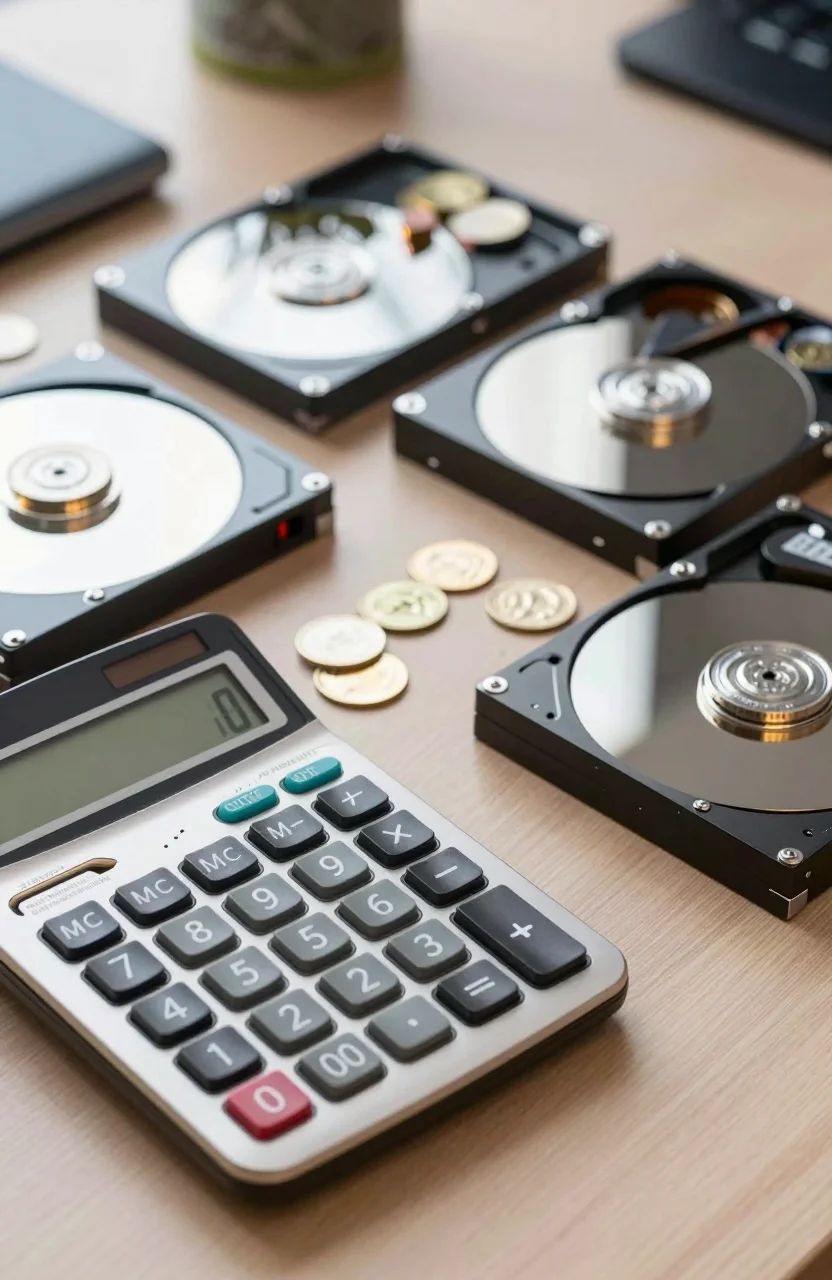
Total cost of ownership adds up every dollar a drive costs you from purchase to disposal. For storage, four buckets cover almost everything.
- Purchase price: what you pay upfront, per drive.
- Power cost: electricity to run the drive over its life. Matters most for always-on drives and NAS units.
- Replacement cost: the price of buying again when the drive fails, spread across its expected lifespan.
- Downtime and recovery: the value of the time and data you lose when a drive fails without a backup.
You can ignore some buckets for a drive you use twice a month. You cannot ignore them for a NAS that runs 24/7 and holds your only copy of ten years of photos.
The formula in plain terms
TCO over five years = purchase price + (annual power cost x 5) + expected replacement cost + expected downtime cost. Each term is an estimate, and that is fine. The goal is a fair comparison between options, not an accountant-grade audit.
A worked five-year comparison
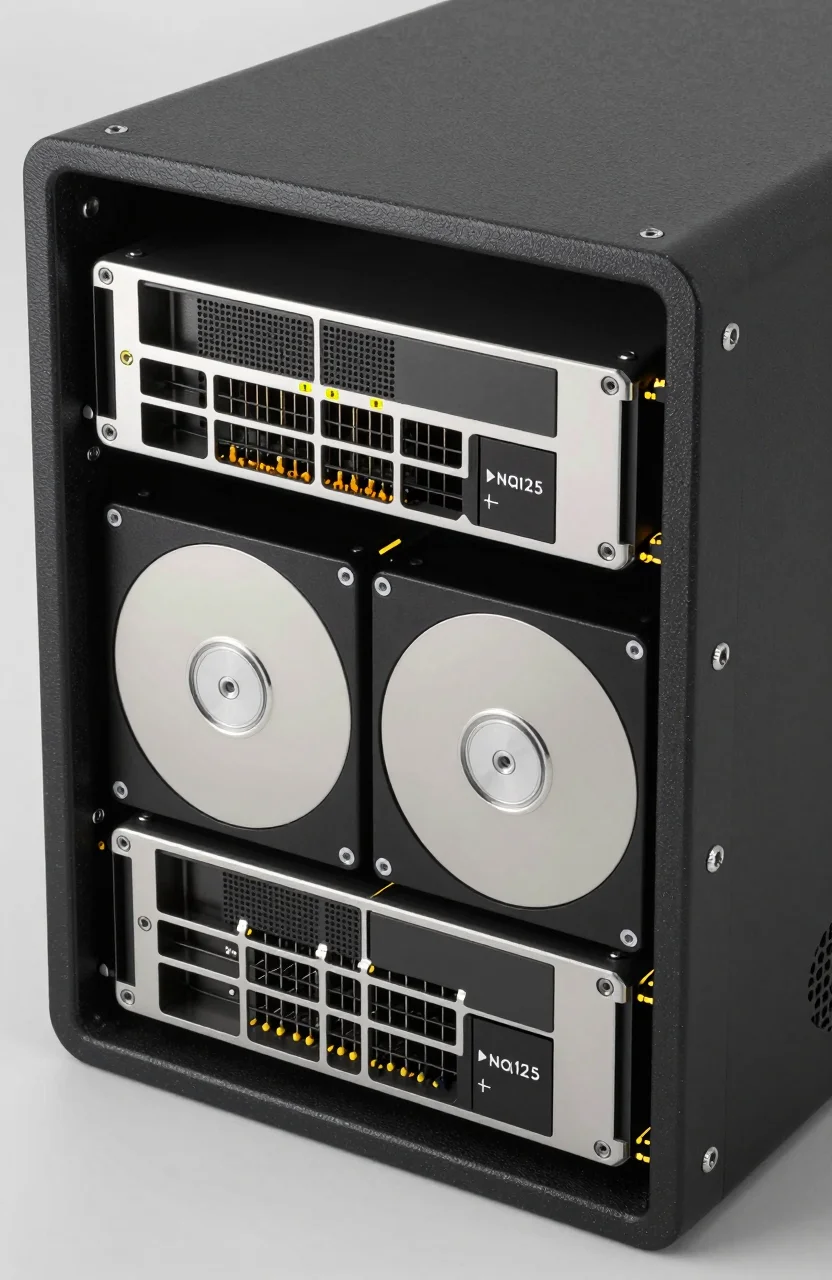
Here is a realistic example. You need roughly 4TB of storage and you are weighing three options: a desktop hard drive, an external SSD, and a two-bay NAS with two drives. Power is priced at $0.16 per kWh, running 8 hours a day for the HDD and SSD, and 24 hours a day for the NAS.
| Cost bucket | 4TB HDD | 4TB external SSD | 2-bay NAS (2x 4TB) |
|---|---|---|---|
| Purchase price | $90 | $260 | $520 |
| Power over 5 years | $18 | $8 | $210 |
| Replacement (1 drive over 5 yrs) | $45 | $0 | $90 |
| Downtime risk cost | $120 | $40 | $20 |
| 5-year TCO | $273 | $308 | $840 |
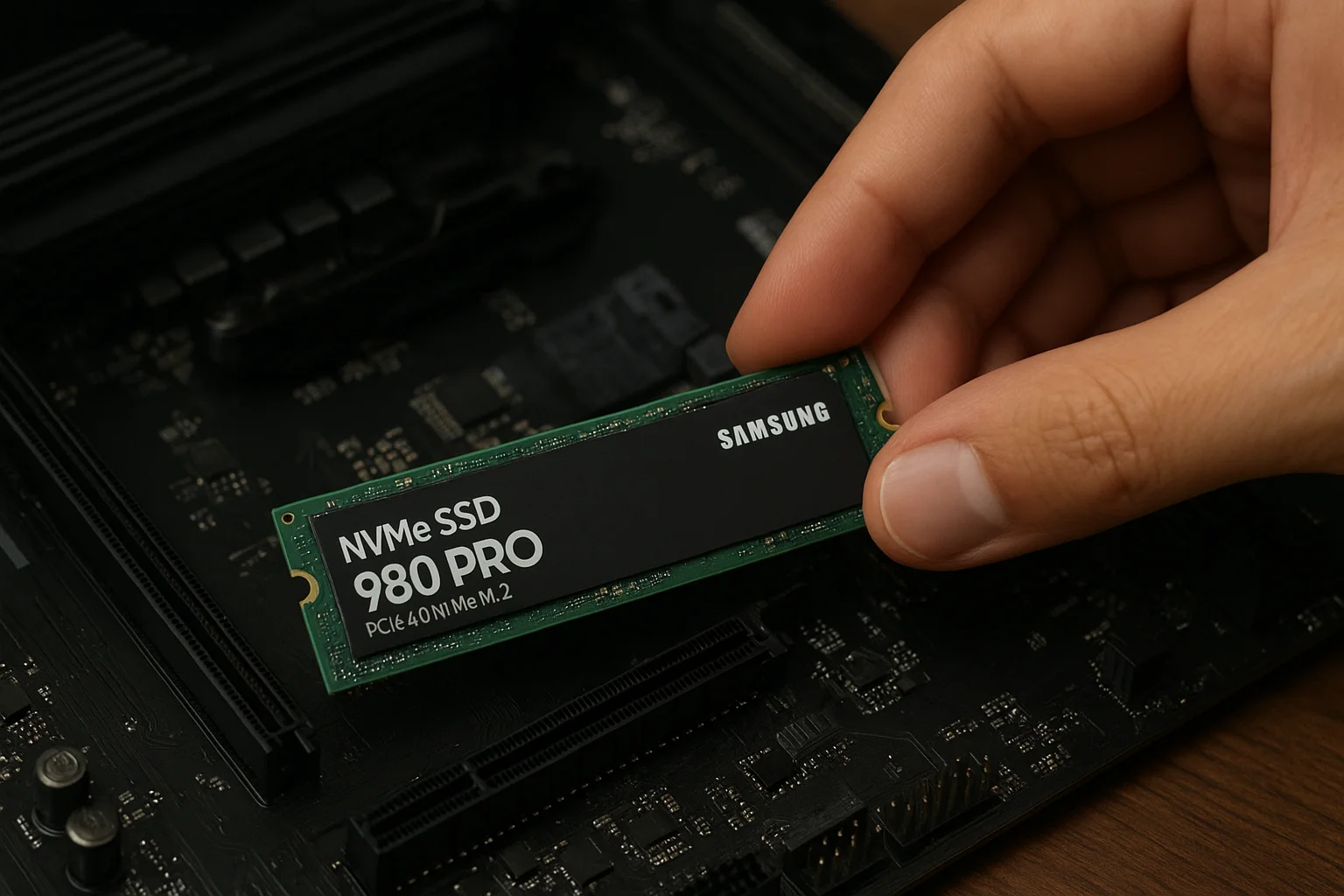
The HDD wins on raw cost, but look at the downtime line. A single HDD with no redundancy carries the highest failure risk, so its downtime cost is high. The SSD costs more upfront yet uses almost no power and rarely fails mechanically. The NAS is the most expensive by far, but it protects your data with redundancy, which is why its downtime cost is the lowest of the three.
The lesson is simple. The cheapest drive at checkout is not the cheapest drive to own once you price in power, replacement, and the risk of losing your data. If the data is worth protecting, the NAS premium buys you something the single HDD cannot.
How to estimate each number
Power is easy. Find the drive's active wattage on the spec sheet, multiply by hours per day, multiply by 365, divide by 1000 to get kWh, then multiply by your electricity rate. A 6W HDD running 8 hours a day burns about 17.5 kWh a year, or under $3 at $0.16 per kWh. A NAS pulling 30W around the clock burns roughly 263 kWh a year - closer to $42.
Replacement cost is trickier because it depends on failure rate. A useful rule: consumer HDDs average a 5 to 8 year lifespan, SSDs often last longer under light use, and any drive in a hot, vibration-heavy, or always-on environment ages faster. If you expect one replacement inside five years, add that drive's current price. Check what a like-for-like replacement costs today on BestDiskPrices rather than guessing.
Downtime is the cost people forget
Downtime cost is the value of what you lose when a drive fails. For a business, that is billable hours, missed deadlines, or paused operations. For a home user, it can be the irreplaceable: family photos, tax records, a video project with no backup. You cannot always put a clean dollar figure on it, but you can rank it. Ask yourself one question: if this drive died tonight, how bad would it be?
If the answer is "annoying but fine, I have a copy," your downtime cost is low and a cheap single drive is reasonable. If the answer is "catastrophic, this is my only copy," your downtime cost is enormous and redundancy pays for itself. This is exactly why RAID and NAS setups exist. To understand how redundancy changes usable capacity and protection, read our guide on RAID levels explained, and if you are choosing between drive types for a long-lived archive, see HDD vs SSD for long-term archiving.
Cutting TCO without cutting corners
A few practical moves lower total cost without raising risk:
- Buy the right capacity once. Upgrading later means buying twice. Size for where you will be in three years, not today.
- Favor efficient drives for always-on use. Over five years of 24/7 operation, a few watts of difference adds up to real money.
- Match redundancy to the value of the data. Do not pay for a NAS to store files you could re-download. Do pay for it to protect files you cannot replace.
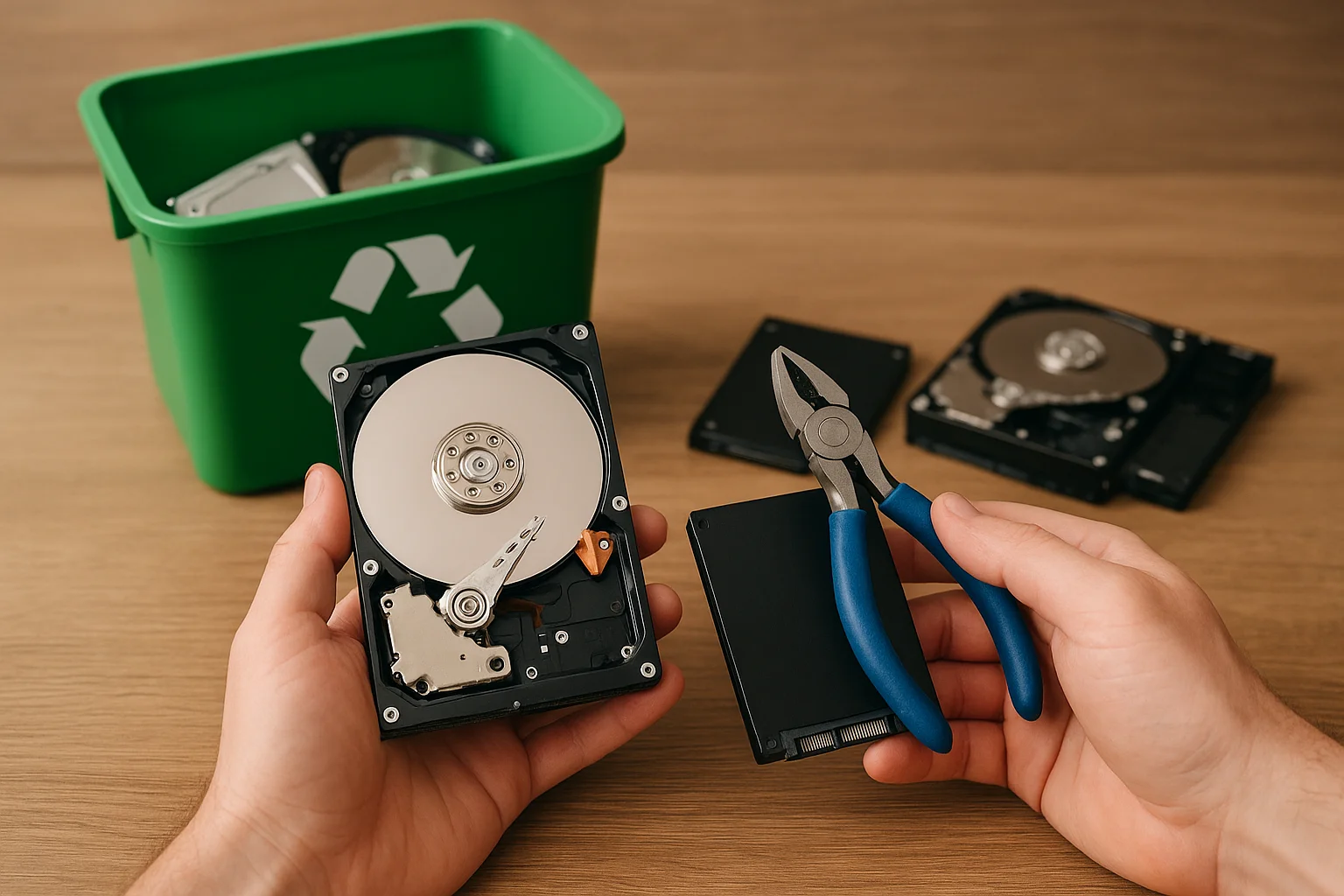
- Plan disposal. Wiping and recycling drives responsibly costs little and avoids data exposure. Our guide on recycling old drives covers the safe way to do it.
Turning TCO into a buying decision
Run the four-bucket math on your two or three shortlisted drives before you buy. Put purchase price, five-year power, expected replacement, and a downtime rank side by side. Often the winner is not the cheapest drive, and it is almost never the most expensive one either. It is the drive whose total cost matches how much the data matters to you.
For light, replaceable data, a single efficient drive keeps TCO low. For anything you cannot afford to lose, the redundancy premium is the cheapest insurance you will ever buy. Start by pricing your options on BestDiskPrices, then let the five-year number - not the sticker - decide.