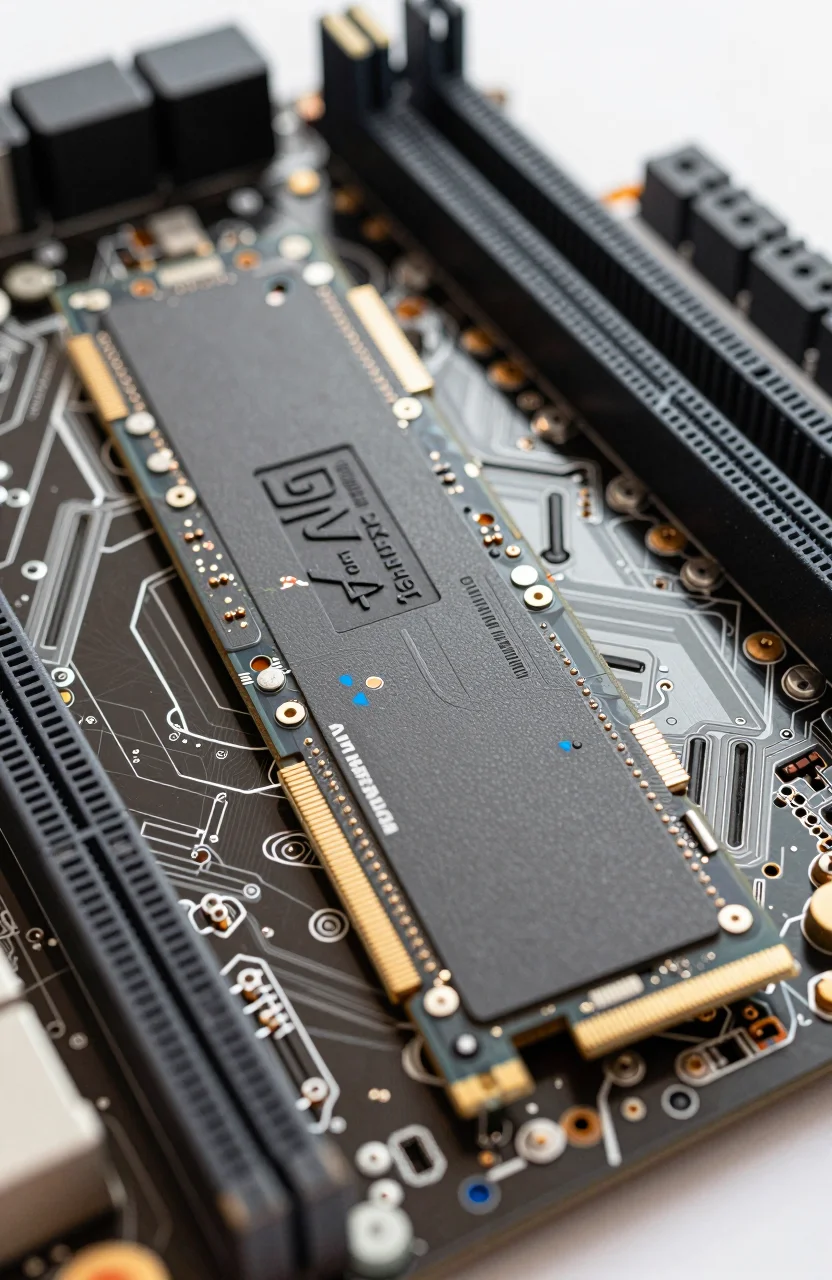

Most shoppers chasing a tiny portable SSD get pushed toward Gen2x2 models that need a matching host port to hit the brochure numbers. The Kingston XS1000R takes the opposite bet: a thumb-sized USB 3.2 Gen 2 stick rated up to 1050MB/s that works at full class speed on the ports already sitting in most laptops. This review sticks to the 1TB configuration around $149.99 (recently closer to $179.99), with buyer sentiment near 4.5 stars across roughly 1423 Amazon reviews.
If you are still mapping the broader under-$150 field, our roundup of the best portable SSDs under $150 in 2026 is useful context before you lock a brand.

- Thumb-sized USB-C portable for everyday laptop carry
- USB 3.2 Gen 2 speeds up to about 1050MB/s
- Works at class speed on standard Gen 2 ports
- 1TB street pricing near $149.99 on promo
Who the XS1000R is actually for
The XS1000R 1TB listing fits people who want pocket storage that does not depend on exotic host silicon. Students moving project folders between campus machines, freelancers cloning a working set to a second laptop, and office workers keeping a cold copy of critical documents are the core audience. You get a near 1GB/s class experience on the USB-C or USB-A ports already in the bag.
It is also a smart second drive if your kit already owns a rugged unit for outdoor days. Keep the armored stick for vans and docks, and keep this pocket SSD in the laptop sleeve you actually carry. That split usually costs less than buying two premium Gen2x2 enclosures you only half-use.
Skip it if your work is constant multi-gigabyte camera dumps on a dock you already know supports Gen2x2. In that niche, a faster family can finish transfers sooner when the host cooperates. Skip it as well if you need IP-rated drop armor every week. For weather and concrete, start with our guide to the best rugged portable SSDs for travel in 2026 instead of forcing a slim stick into a harsh bag.
Also skip the XS1000R if capacity is the only priority and your budget prefers spinning media for cold archives. A pocket SSD shines when you need snappy file swaps, not when you are parking 8TB of rarely touched backups on a shelf.
Speeds, ports, and the Gen2x2 tax you skip
Kingston rates the XS1000R line up to about 1050MB/s on a proper USB 3.2 Gen 2 (10 Gbps) link. That is the same class as many everyday Samsung and SanDisk portables, and it is the speed most people actually see on Windows and Mac laptops from the last several years. On older USB 3.0 / 5 Gbps ports you will see roughly half. Blame the host first when a timed copy looks soft.
The Gen2x2 tax is the premium you pay for brochure peaks near 2000MB/s that only appear when both the drive and the host speak Gen2x2. Many thin laptops, docking stations, and tablet docks never do. Buyers then leave one-star notes that the drive is slow when the port was the bottleneck. The current XS1000R deal sidesteps that mismatch by targeting the interface most machines already support at full class speed.
A timed copy of a 20GB to 40GB media folder on your real laptop beats another synthetic screenshot. Use the included cable or a known data-capable USB-C lead. Charge-only cables and cheap hubs that only offer USB 3.0 will cap any portable, including this one. Before you buy any stick, revisit common portable SSD buying mistakes so a wrong cable does not ruin first impressions.
In weekly use, plug in the 1TB Kingston stick, wait for a clean mount, copy, then eject properly. Compact USB SSDs still warm during long sustained writes. That is normal thermal behavior, not a defect, as long as the drive remains responsive after a short cool-down.
Pocket design and day-to-day use
The XS1000R lives up to the pocket claim. The body is short enough to ride in a jeans pocket or the small sleeve pocket of a laptop bag without the awkward stick-out you get from longer enclosures. That matters when you walk between desks all day and hate snagging a drive on a chair arm.
Finishes and exact cable kits vary by listing, so confirm what is in the box on the day you order. Many shoppers care more about whether a USB-A adapter is included than about another brochure peak. If your oldest machine still needs USB-A, check that accessory before you assume the XS1000R on Amazon ships with everything you need.
Software stays optional. You can treat the drive as a plain volume for drag-and-drop backups. If you enable password tools later, store the credentials somewhere durable. A locked portable with a forgotten code is a paperweight, regardless of brand.
Buyer sentiment near 4.5 stars from a large review base is useful social proof for a pocket form factor. Read recent comments for cable quality and packaging notes more than for peak-speed bragging. Real owners rarely run synthetic benches; they care whether the drive mounts cleanly on Windows and macOS and survives a few months of weekly use.
Price around $149.99 versus a $179.99-like reference is a fair 1TB ask when promo hits. Portable SSD stickers move quickly, so verify the live number before you assume the discount still holds. If a 2TB sibling is on a deeper sale, capacity per dollar can beat loyalty to the 1TB SKU.
When to buy something else instead
Choose a rugged portable when rain, dust, and drops are weekly risks. Choose a desk-oriented drive when the enclosure never leaves a docking station and you want more sustained write comfort. Choose a higher-bandwidth Gen2x2 or Thunderbolt box only after you confirm your host actually supports those links end to end.
Buy this Gen2 portable when you want a tiny Kingston stick that hits everyday Gen 2 speeds without paying for peaks your laptop cannot unlock. Match capacity to the working set you actually move each week, keep one clean eject habit, and treat the pocket form as a daily tool rather than a showcase for brochure Mbps.
If your bag already carries a Shield-class armored SSD, this Kingston fills the slim everyday role. If you are starting from zero and travel hard, reverse that order. Either way, confirm port generation first, then capacity, then armor. Speed charts without a host check waste money faster than a slightly slower stick that always runs at its rated class.