What the SSD Market Looks Like in 2026
Start at bestdiskprices.com and check the live SSD prices before you read another word. Our price comparison pulls current deals from dozens of retailers every day, so the numbers you see are the real cost sitting in carts right now, not a list price that expired last month. We built the site to do one job well: show you the cheapest healthy drive for the capacity you need, then point you straight to the store. When you shop for storage, checking live prices on the site is the fastest way to avoid overpaying.
The ssd price story in 2026 is a gentle one. NAND supply has steadied after the tight 2024 and 2025 cycles, and that keeps consumer drives affordable. You will not find fire-sale pricing, but you also will not see the painful spikes from two years ago. Most buyers land on a 1TB or 2TB NVMe drive because those sizes offer the best balance of cost and room for a modern operating system plus a game library.
You should treat any quoted price as a starting point, not a verdict. Retailers rotate discounts weekly, and a drive that looks expensive today can drop $15 by Friday. The comparison tool on the site tracks those moves, so you can watch a specific model and strike when the cost per gigabyte dips.
SSD Price Per GB by Capacity
The cleanest way to judge a deal is cost per gigabyte. Smaller drives charge you a penalty per gigabyte because the controller, the PCB, and the packaging cost the same no matter how much flash is soldered on. Bigger drives spread that fixed cost across more storage, which is why a 4TB drive often costs less per gigabyte than a 250GB one. The table below shows realistic 2026 street-price ranges and the cost per gigabyte you should expect at each capacity.
| Capacity | Typical price range | Cost per GB | Best use |
|---|---|---|---|
| 250GB | $19 - $29 | $0.08 - $0.12 | Boot drive, secondary PC |
| 500GB | $29 - $45 | $0.06 - $0.09 | Mainstream laptop upgrade |
| 1TB | $49 - $75 | $0.05 - $0.075 | Primary gaming and work PC |
| 2TB | $95 - $140 | $0.048 - $0.07 | Game library, content creation |
| 4TB | $190 - $290 | $0.048 - $0.072 | Mass storage, video projects |
Use this table as your yardstick. If a 1TB drive sits above $0.08 per gigabyte, it is priced rich for 2026. If a 2TB drive drops under $0.05 per gigabyte, that is a strong buy. The per-gigabyte math keeps you honest when a retailer buries the real value behind a flashy headline discount.
Why Smaller Drives Cost More Per GB
The Fixed-Cost Problem
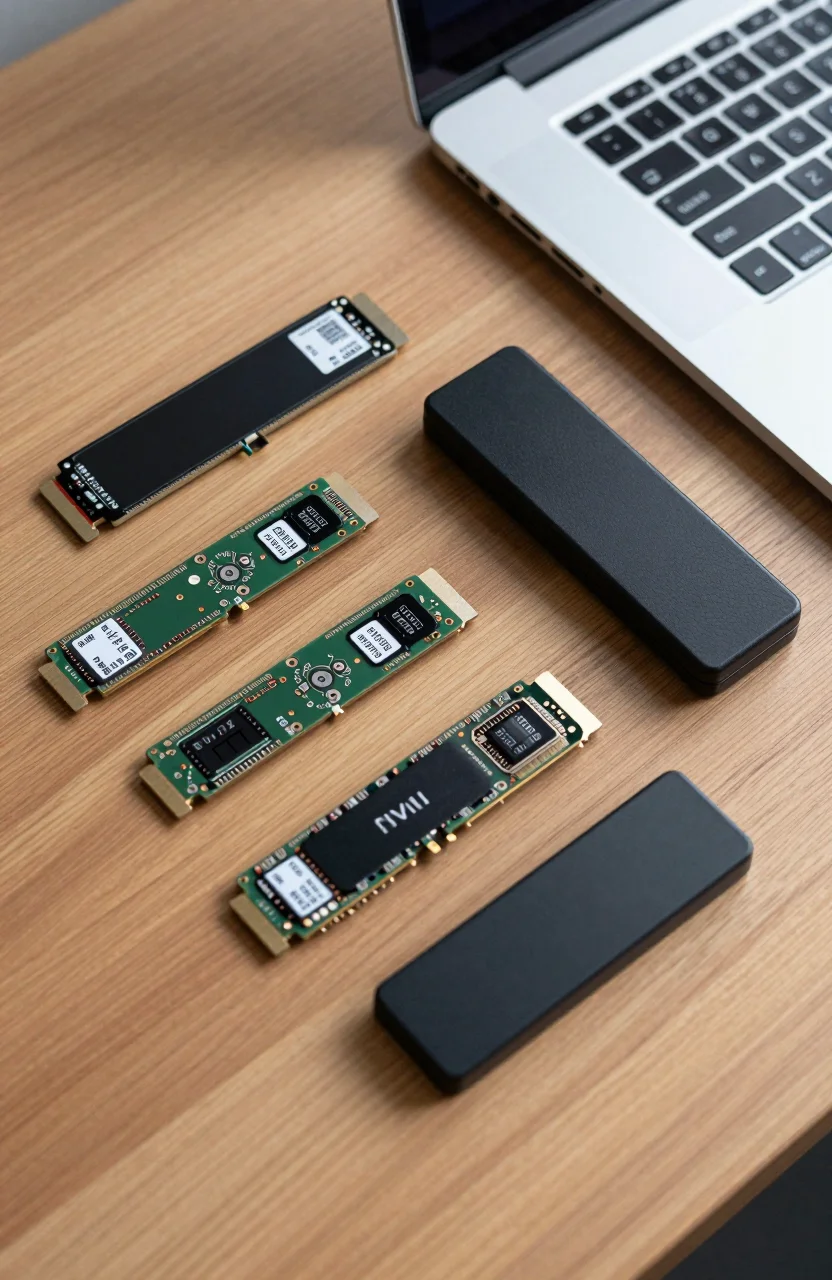
A 250GB SSD and a 1TB SSD share most of the same bill of materials. Both need a controller chip, a DRAM cache or host-memory buffer, a printed circuit board, and a metal or plastic enclosure. Those parts cost the same whether the board carries one NAND package or four. The factory then loads less flash onto the small drive, but the savings on raw memory do not offset the shared overhead. That is why the 250gb ssd price looks cheap in dollars yet expensive per gigabyte.
When a 250GB Drive Still Makes Sense
You should still buy a 250GB drive in specific cases. It is a perfect boot disk for a secondary office PC that stores files in the cloud. It works as a cache or scratch disk inside a larger build. It is also the right pick for reviving an old laptop that only has one slot and light storage needs. The dollar price stays low, and you trade away capacity rather than speed.
The trap is buying a 250GB drive as your only storage on a modern PC. Windows alone eats 40GB after updates, and a single big game can swallow the rest. You will feel the pinch within a month and end up buying a second drive anyway.
The 250GB SSD Price in 2026
The 250gb ssd price in 2026 usually lands between $19 and $29. That is a fair chunk less than a 500GB drive, but the per-gigabyte cost runs about 30% higher. You pay that premium for the smallest possible footprint and the lowest entry dollar figure. If your budget is tight and your needs are tiny, the 250GB drive does the job.
We suggest spending the extra $10 to $16 and moving up to 500GB whenever you can. The larger drive gives you breathing room for updates and a few games, and it lowers your cost per gigabyte at the same time. The gap between 250GB and 500GB is the worst value cliff in the whole SSD range, so step over it if your wallet allows.
Before you commit, skim our ultimate guide to solid state drives to see how capacity, endurance, and interface fit together. A short read there saves you from a capacity mistake that costs more than the drive itself.
NVMe vs SATA: Same Price, Different Speed
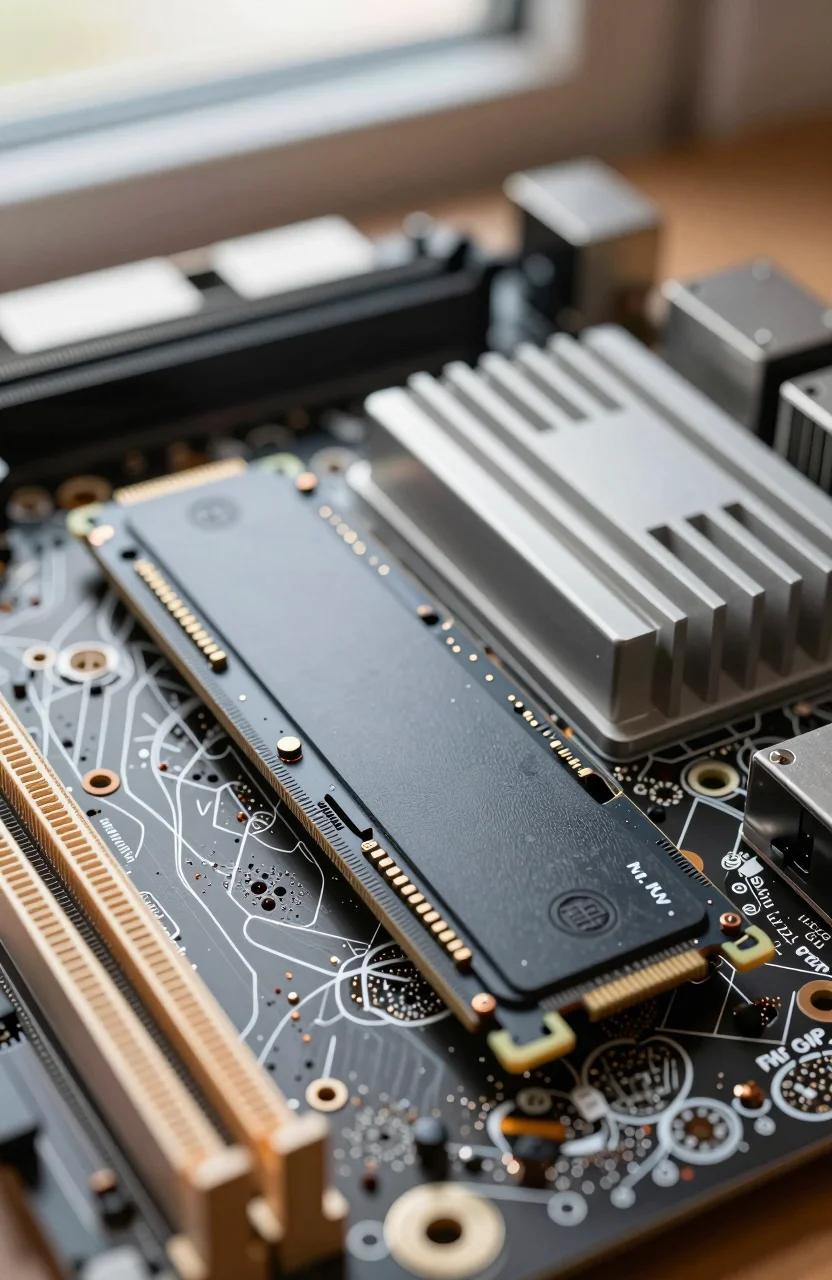
You will notice that SATA and NVMe drives at the same capacity often show similar prices in 2026. The flash inside costs the same, so the interface is no longer a premium feature. NVMe connects through PCIe and moves data several times faster than a SATA drive, which tops out near 550MB/s. For loading games, copying large files, and booting your system, NVMe wins by a wide margin.
SATA still earns a place in older desktops and laptops that lack an M.2 slot. It is also a cheap way to add a second or third drive for bulk storage where speed barely matters. Our SSD vs HDD comparison breaks down where each interface fits, and it helps you decide whether spinning disks still belong in your build at all.
Do not let a slow SATA drive ride in your primary slot if your board supports NVMe. The price gap has closed, so the speed you leave on the table now is free money you threw away. Check the live comparison, filter by interface, and pick the fastest drive your socket accepts.
How to Spot a Real SSD Deal
A real deal shows up as a low cost per gigabyte, not a big percentage off a fake high price. Read the per-gigabyte figure from the table above and compare it to the drive in your cart. Trust the math over the marketing.
Watch the drive class too. A budget QLC drive costs less than a TLC drive but wears faster under heavy writes. For a boot or gaming PC, TLC is the safer long-term pick, and you can stretch its life with the tips in our NVMe lifespan and speed guide. If you want to see where the tech is headed, our piece on PCIe 6.0 and future SSDs explains why today's buy stays relevant, and the end of SATA shows why new builds should skip the old interface.
Set a target per-gigabyte number for the capacity you want, then let the site alert you when a model crosses it. Patience of a week or two often shaves another $10 to $20 off a 2TB or 4TB purchase, and that saving compounds when you buy two drives at once.
When to Buy and When to Wait
Buy now if your current drive is full or failing. Storage you do not have costs you more in lost time than a small price swing ever will. Buy now if you spot a 1TB drive under $0.05 per gigabyte or a 2TB drive under $0.05, because those numbers are near the floor for 2026.
Wait if you are browsing casually and the per-gigabyte cost sits above our table ranges. Prices drift down through quiet periods and dip hard during major sales events. A wishlist and a price alert beat guesswork every time.
Your best move is simple: open bestdiskprices.com, pick your capacity, and sort by cost per gigabyte so the cheapest healthy drive rises to the top.