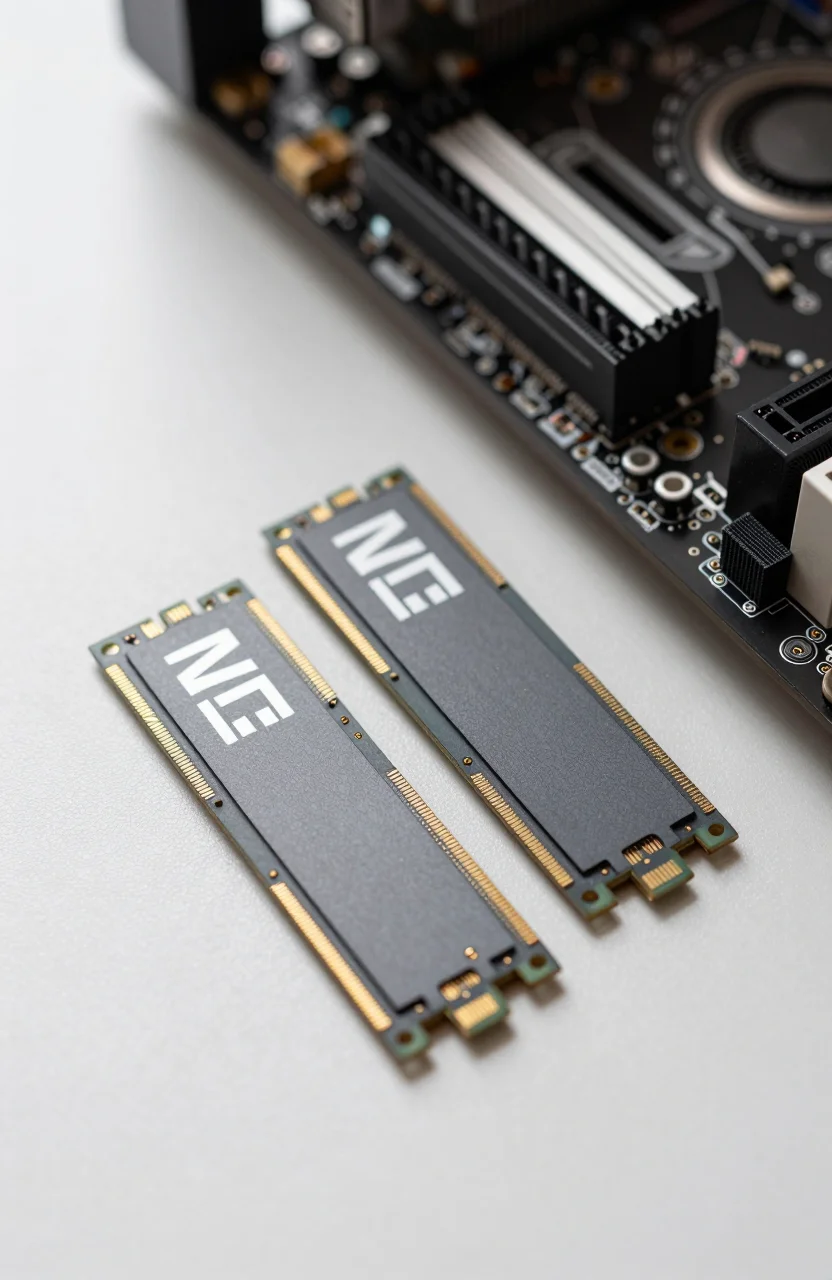
Flagship Gen4 NVMe drives do not stay "new" for long, but some stick around because they still solve real problems. The Samsung 990 PRO 2TB is one of those drives. Rated up to 7450 MB/s read and 6900 MB/s write, sitting around $338.50 on Amazon with a 4.8 rating from over 12900 reviews, it remains a default recommendation for gaming PCs and workstations that need a fast primary SSD.
This review focuses on whether the 990 PRO still justifies its premium in 2026 against cheaper siblings like the 990 EVO Plus and rivals such as the WD_BLACK SN850X. If you want the broader SSD landscape first, start with our ultimate guide to solid state drives.

- Get random read/write speeds that are 40%/55% faster than 980 PRO; Experience up to 1400K/1550K IOPS, while sequential read/write speeds up
- Use less power and get more performance; Enjoy up to 50% improved performance per watt over 980 PRO, plus optimal power efficiency with max
- Samsung's own nickel-coated controller delivers effective thermal control; With its slim size, 990 PRO is a perfect fit for desktops and lap
- Up to 65% improvement in random performance enables faster loads for an ultimate gaming experience on PS5 and DirectStorage PC games
Summary
The 990 PRO is Samsung's high-end PCIe 4.0 x4 drive for users who care about sustained writes, strong DRAM-backed responsiveness, and a mature software stack (Samsung Magician). It is not a Gen5 drive. If your motherboard already supports Gen5 and you edit 8K RAW all day, look higher. For most gaming desktops and creative machines still on Gen4, the PRO remains excellent.
At a glance for the 2TB listing we track:
- Interface: PCIe 4.0 x4 NVMe
- Claimed peaks: up to 7450 MB/s sequential read, up to 6900 MB/s sequential write
- Street price context: about $338.50 for 2TB
- Buyer signal: 4.8 stars from roughly 12959 Amazon ratings
Buy it if you want a proven flagship Gen4 SSD with strong brand support. Skip it if you only need a secondary game library drive and a mid-range EVO-class SSD would save meaningful money. Check the current Samsung 990 PRO 2TB price before you decide, because NVMe street prices move week to week.
Capacity choice matters as much as the model name. 1TB fills fast once Windows, a launcher, and three modern AAA titles land on the same volume. 2TB is the sweet spot for a primary drive in 2026 for most gamers. 4TB only pays off if you keep large content libraries local. Whatever size you pick, leave free space for over-provisioning behavior and temporary files so the controller can keep performance closer to those headline numbers.
Also decide whether this is your boot drive or a second stick. As a boot drive, the PRO's consistency shows up every morning. As a secondary library drive, a cheaper Gen4 SSD often delivers nearly the same game-load feel for less cash. Be honest about which role you are buying for before you pay the flagship tax.
Performance claims
Marketing numbers on NVMe boxes are sequential peaks under ideal conditions. The 990 PRO's 7450/6900 MB/s figures put it at the top of the Gen4 chart on paper. In day-to-day use, that translates to:
- Very fast OS and game installs
- Quick large file copies when the drive is cool and not full
- Strong random I/O for loading levels, opening projects, and multitasking with a DRAM cache behind the controller
Where flagship Gen4 drives still matter is sustained write behavior. Cheaper DRAMless or lightly cached drives can look fine in a short CrystalDiskMark run, then slow down during a long video export or a multi-hundred-gigabyte copy. The 990 PRO is built to stay closer to its peak for longer, which is why it shows up in "best SSD" shortlists even after newer SKUs arrive.
For gaming specifically, Gen4 flagship vs mid-range is often a small difference in level load times. The bigger win is consistency under mixed workloads: Discord, browser, launcher, background downloads, and a game all hitting the drive at once. If you care about that feel, the PRO is still easy to recommend. Pair it with sensible habits from our guide on optimizing NVMe SSD lifespan and speed so you do not undo the hardware advantage with a full, overheating drive.
One practical note: your motherboard, CPU lane configuration, and heatsink matter. A 990 PRO in a laptop with limited cooling or a desktop slot under a GPU with poor airflow will not match a well-cooled bench result. That is not a Samsung-only issue, but it is why "up to" numbers should never be treated as a guarantee on every build.
If you benchmark at home, test more than a 1GB sequential loop. Run a longer write, watch for cliffs, and note temperatures. Also compare the same file copy to a mid-range Gen4 SSD you already own. Many buyers discover the PRO's advantage is not a dramatic FPS jump. It is quieter background behavior when Windows Update, Steam, and a creative app share the disk. That is harder to market on a box, and easier to appreciate after a month of messy real use.
Creators should treat the 990 PRO as a strong scratch and project drive on Gen4 systems, not as magic for every codec. Bitrate, RAM, and CPU still dominate export time. Storage removes wait states when media is local and caches stay hot. If your footage lives on a slow USB HDD, upgrading the internal NVMe alone will not fix the pipeline.
Endurance ratings on modern TLC NVMe drives are usually fine for desktop gaming and office creativity. Still, avoid filling the drive to the last gigabyte, keep TRIM enabled in a healthy OS install, and do not treat the SSD as a dump for endless scratch files you never delete. Performance and longevity both prefer breathing room.
Thermals
High-end Gen4 controllers push heat when you hammer sequential writes. Samsung ships the 990 PRO in versions with and without a heatsink depending on the listing. Desktops with a chipset or motherboard M.2 shield usually keep temperatures in a safe range. Small form factor builds and vertical GPU mounts need more attention.
What to watch for:
- Thermal throttling during long copies (speeds drop mid-transfer)
- Hot spots when the drive sits under a graphics card with little clearance
- Laptop installs where the chassis itself is the heatsink
If your case has poor airflow, buy the heatsink variant or use the motherboard's M.2 armor. Magician can report temperature and health, which helps you catch mounting or airflow problems early. Thermals are also why "set and forget" users still benefit from leaving some free space and enabling the motherboard's SSD heatsink rather than leaving the bare stick under a hot GPU.
For most mid-tower gaming PCs with a stock motherboard shield, thermals are a solved problem. For SFF and console-style desktop cases, treat cooling as part of the purchase decision, not an afterthought.
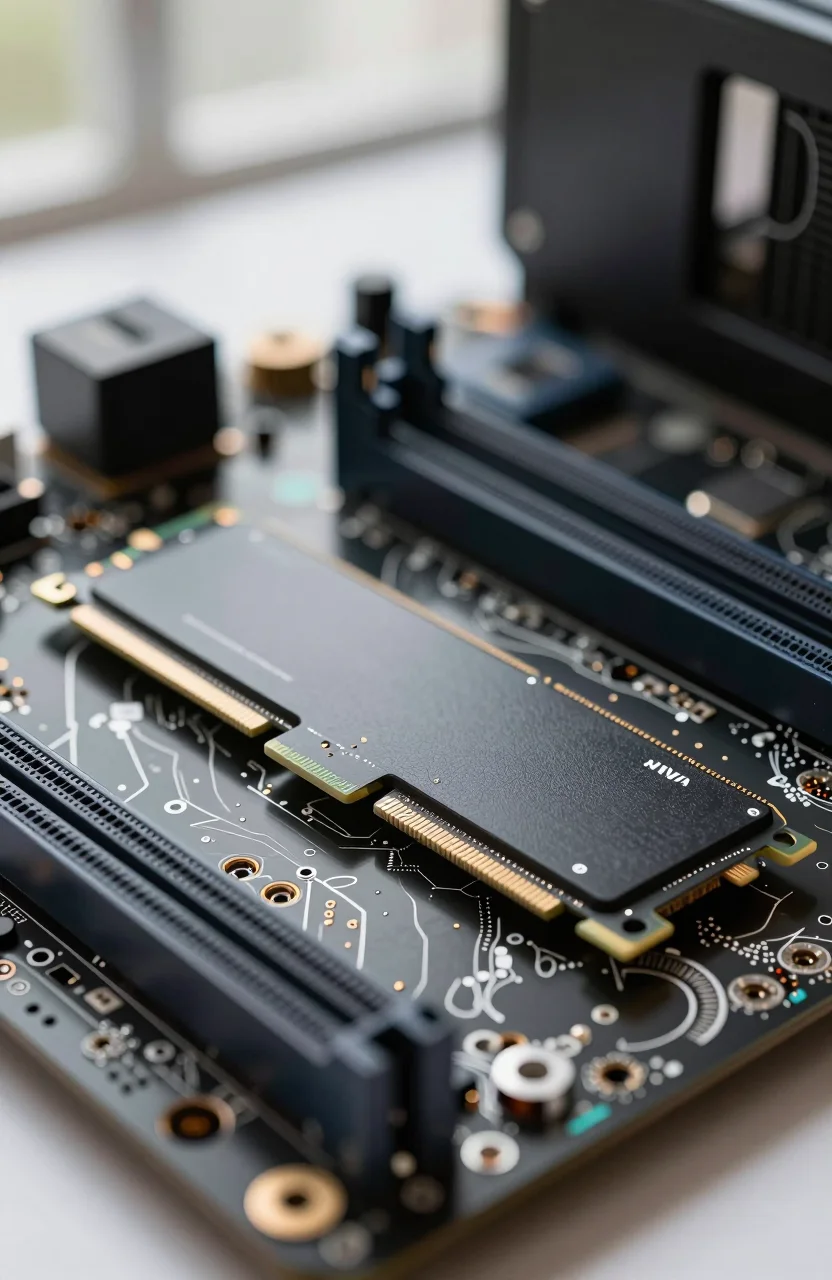
A simple install checklist helps: seat the drive fully in the M.2 slot, tighten the standoff screw so the PCB does not flex, confirm the heatsink pad contacts the NAND and controller evenly, and verify in the BIOS that the slot is running in the expected PCIe mode. After the first heavy copy, open Magician or a hardware monitor once. If you see aggressive throttling, improve case airflow before you blame the SSD generation.
PS5 and other console expansion slots have their own clearance and heatsink rules. If you buy a 990 PRO for console expansion, follow the console maker's height and heatsink guidance rather than assuming a desktop stick will fit. Wrong clearance is a return shipping problem, not a performance debate.
Value vs rivals
This is where the 2026 question gets real. The 990 PRO is no longer the only fast Gen4 option, and it is rarely the cheapest.
Compared lightly to the 990 EVO Plus: the EVO Plus is the value sibling. It aims at strong everyday performance for less money. If you are building a secondary 2TB game drive and do not push sustained writes, the EVO Plus often makes more financial sense. The PRO is the pick when you want the higher sustained ceiling and the "buy once" flagship feel for your boot/game drive.
Compared lightly to the WD_BLACK SN850X: the SN850X is the other Gen4 gaming favorite. Real-world differences between a healthy PRO and SN850X are often small for pure gaming. Choice comes down to price on the day you buy, preferred software (Magician vs WD Dashboard), heatsink bundle availability, and capacity SKUs in stock. Neither is a bad flagship Gen4 drive.
Value checklist for the PRO:
- Worth it: primary NVMe in a gaming or creative PC where you copy large projects often
- Maybe: upgrades from a slow SATA SSD where any decent Gen4 would feel huge
- Skip: cold storage or rarely used archive capacity (an HDD or cheaper QLC SSD fits better)
Price per gigabyte still matters. Cross-check the PRO against current market norms in our SSD price per GB in 2026 guide before you stretch the budget. If the 2TB PRO is only a few dollars above a strong mid-range 2TB, take the PRO. If the gap is wide, put that money into capacity instead.
Warranty and software are part of value too. Magician's firmware updates, secure erase, and health views reduce the "mystery drive" feeling years later. That does not make Samsung immortal, but it does make ownership clearer than no-name controllers with sparse tools. Also weigh seller authenticity on marketplaces. Flagship SSDs attract gray-market oddities. Stick to reputable sellers, match the model string carefully, and keep your order records.
Another value angle: opportunity cost. Money spent chasing a tiny sequential lead is money not spent on RAM, a better CPU cooler, or a second backup disk. The 990 PRO is worth buying when it is the right component for the job, not when it is a trophy part for a benchmark screenshot you will never revisit.
Mid-article reminder: the listing we reference is the Samsung 990 PRO 2TB on Amazon with those peak speed claims and the large review base. Confirm capacity, heatsink option, and seller before checkout.
Verdict
Yes, the Samsung 990 PRO is still worth it in 2026 for the right buyer. It is a mature Gen4 flagship with excellent sequential claims (up to 7450/6900 MB/s), strong brand tooling, and a huge Amazon review footprint (about 4.8 from over 12900 ratings on the 2TB we track). It is not the only good answer, and it is not the cheapest.
Buy the 990 PRO if:
- You want a primary Gen4 NVMe for a gaming desktop or workstation
- You regularly move large files and care about sustained writes
- You prefer Samsung Magician and a well-known warranty path
Look elsewhere if:
- You need Gen5 for a specific workflow your motherboard already supports
- Budget is tight and a 990 EVO Plus-class drive covers your use case
- You are shopping purely for bulk cold storage
Bottom line: the 990 PRO is no longer the shiny new object, but it is still a safe high-end Gen4 purchase when priced fairly. Spend a minute comparing the live 2TB street price against the EVO Plus and SN850X on the same day. If the PRO is within a reasonable premium, take the flagship and stop second-guessing. If the premium is silly, buy capacity or a strong mid-range drive and put the savings into a second backup disk. Either path beats waiting forever for the perfect Gen5 deal while your SATA boot drive keeps stuttering.
If that matches your build, grab the Samsung 990 PRO 2TB and spend your remaining budget on cooling and a sensible backup plan rather than chasing another 5% of sequential score.