Graphene-Based Memory: Hype, Reality, and Innovations to Watch
Explore the promises and challenges of graphene-based memory, separating hype from reality, reviewing prototypes, and highlighting startups driving innovation in storage technology.
16 articles
Explore the promises and challenges of graphene-based memory, separating hype from reality, reviewing prototypes, and highlighting startups driving innovation in storage technology.
Explore the current state of holographic storage, its advantages, technical challenges, and recent breakthroughs bringing us closer to practical, high-capacity 3D data solutions.
SATA has reached its performance limits, making way for NVMe and PCIe storage. Explore the shift, its impact on consumers and enterprises, and what the future holds.
Discover how 3D NAND with over 500 layers transforms SSD capacity, performance, and efficiency, unlocking new possibilities for consumers and enterprises alike.
As data demand grows, SSD makers are rethinking design and production to cut environmental impact. Through eco-friendly materials, renewable energy, and lifecycle innovation, storage manufacturers are transforming high-speed drives into greener, more sustainable technology.
Discover how energy-efficient SSDs reduce power consumption, cut costs, and improve performance in modern data centers, aligning technology with sustainability goals.
PCIe 6.0 doubles the bandwidth of its predecessor and redefines how SSDs handle speed, efficiency, and data integrity. This article explores how the shift to PAM4 signaling, advanced error correction, and higher throughput will shape next-generation storage performance and system design.
Storage technologies are rapidly evolving to keep up with massive data growth. PCIe 5.0 unlocks new speed levels, while QLC NAND brings affordable high-capacity solutions. This article explains how these innovations work, their strengths and limitations, and how to build storage strategies adapted to future workloads like AI and heavy data processing.
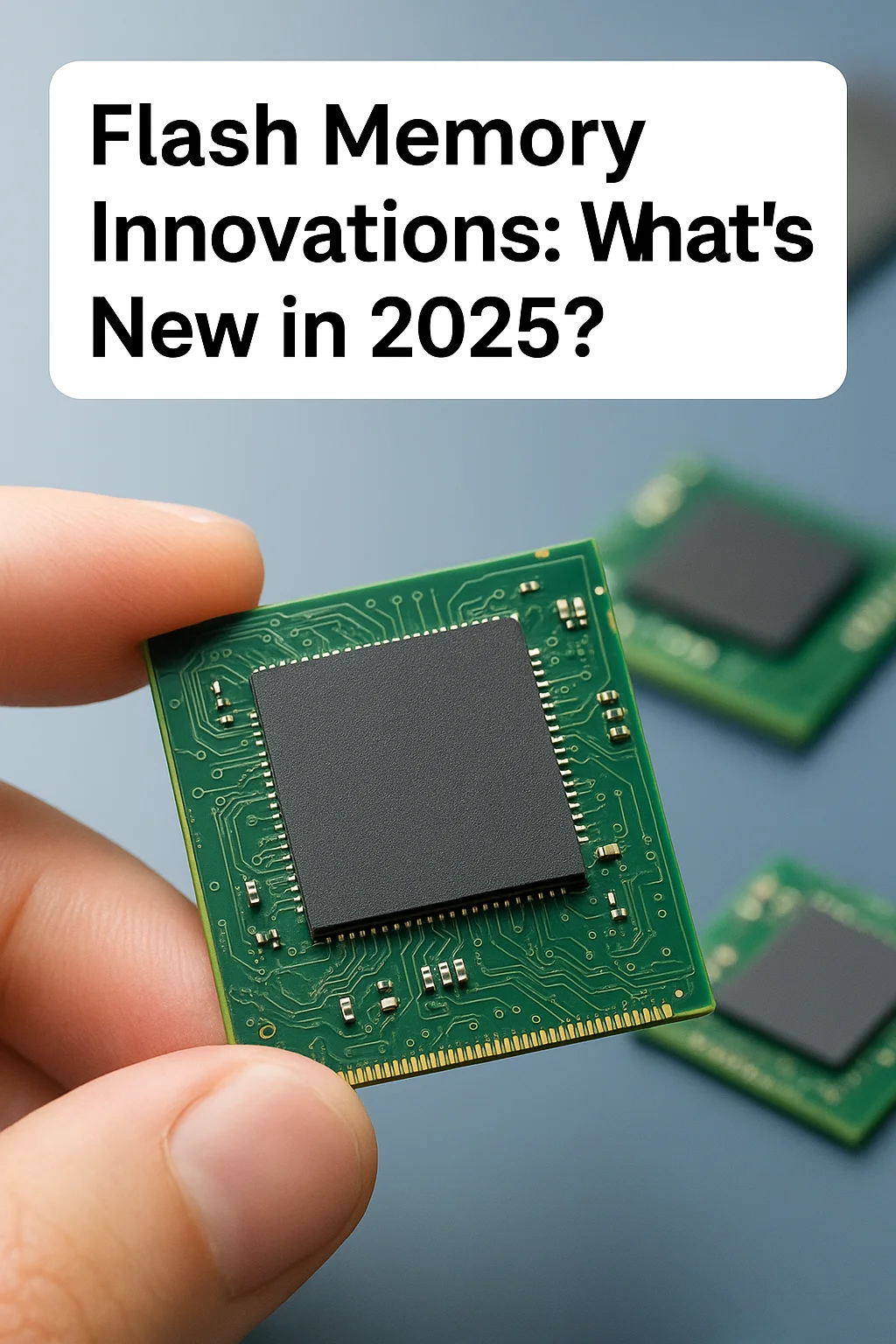
Flash memory is evolving rapidly in 2025. With higher density 3D NAND, faster interfaces like PCIe 6.0, smarter AI-driven controllers, new architectures such as zoned storage and CXL, and ultra-low power solutions for the edge, storage technology is entering a new era. This article explores the most impactful innovations that are transforming performance, efficiency, and reliability across devices and data centers.
Discover how fanless storage solutions and practical noise reduction tips can create a quieter workspace without sacrificing performance or reliability.
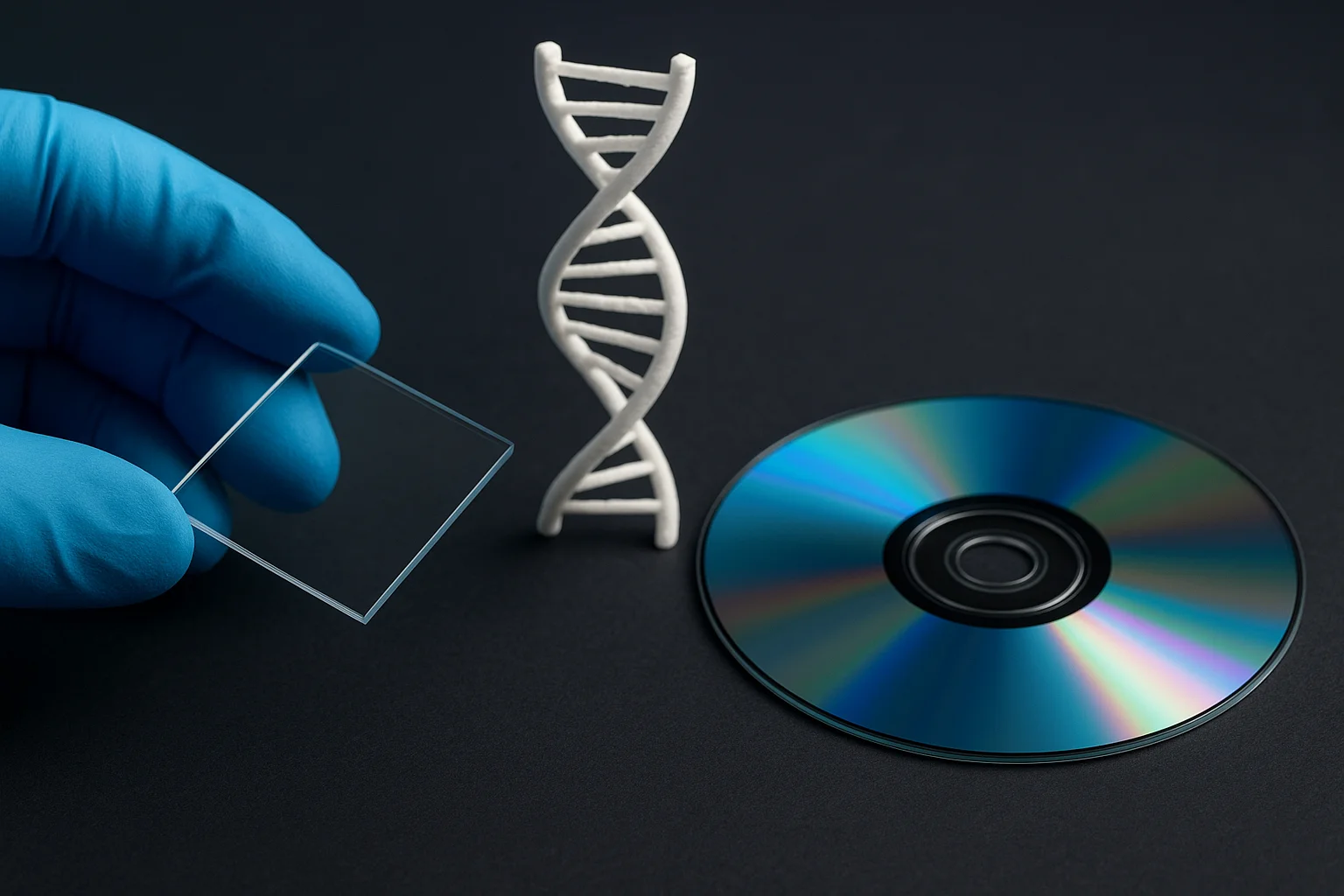
Explore the future of data storage with cutting-edge technologies like DNA, glass, and 5D optical storage. Discover how these solutions promise ultra-high density, longevity, and energy efficiency.
USB4 promises blazing-fast data transfer, backward compatibility, and seamless Thunderbolt integration. Explore what this means for storage devices, real-world performance, and the next generation of USB standards.
As cloud solutions expand, many wonder if external drives will become obsolete. This article explores the strengths, weaknesses, and future of both storage options.
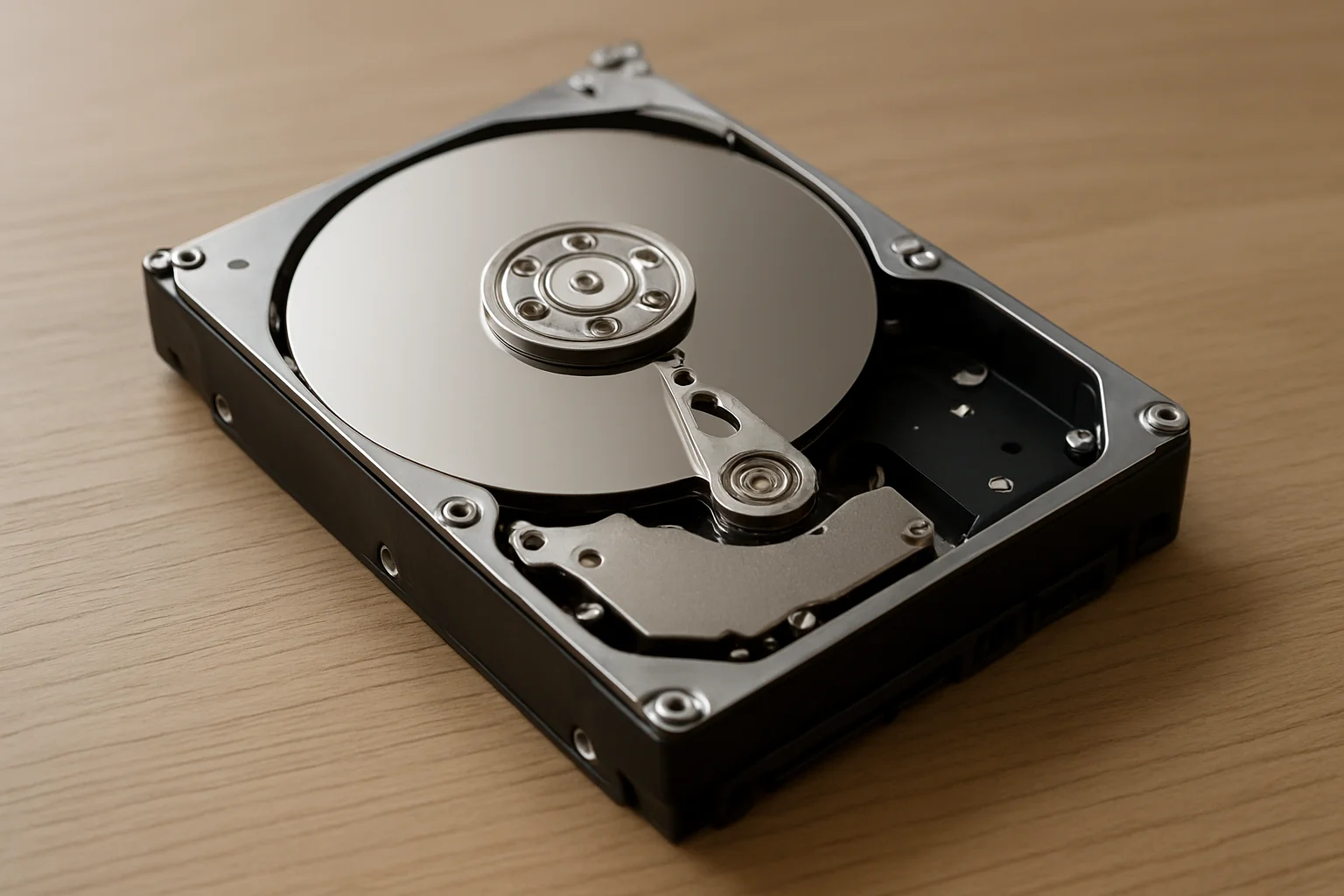
Helium hard drives have become the go-to solution for massive data storage. By replacing air with helium, these drives offer higher capacity, lower power consumption, and improved reliability. This article explores the science, benefits, and future of helium-filled drives, and why they continue to dominate the high-capacity storage market.
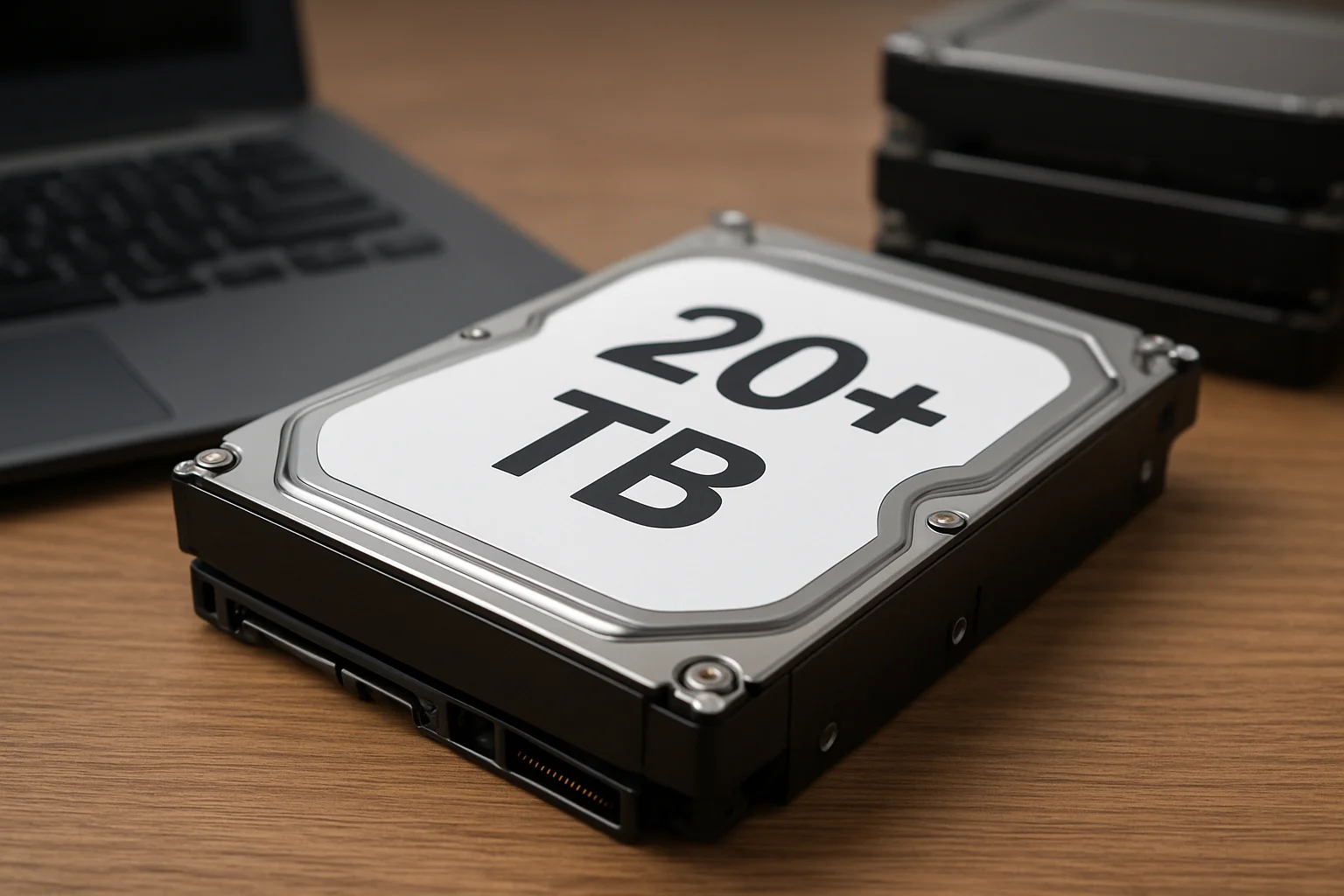
Ultra-high-capacity hard drives surpassing 20TB promise massive storage, but are they worth the investment? Explore costs, performance, use cases, and alternatives to decide if a 20TB+ HDD fits your needs.
NVMe 2.0 is the latest evolution of the high-speed storage protocol that powers modern SSDs. This update brings significant improvements in performance, new features, and enhanced security, making it a game-changer for both enterprise and consumer storage solutions. In this article, we explore the key aspects of NVMe 2.0 and what it means for the future of data storage technology.