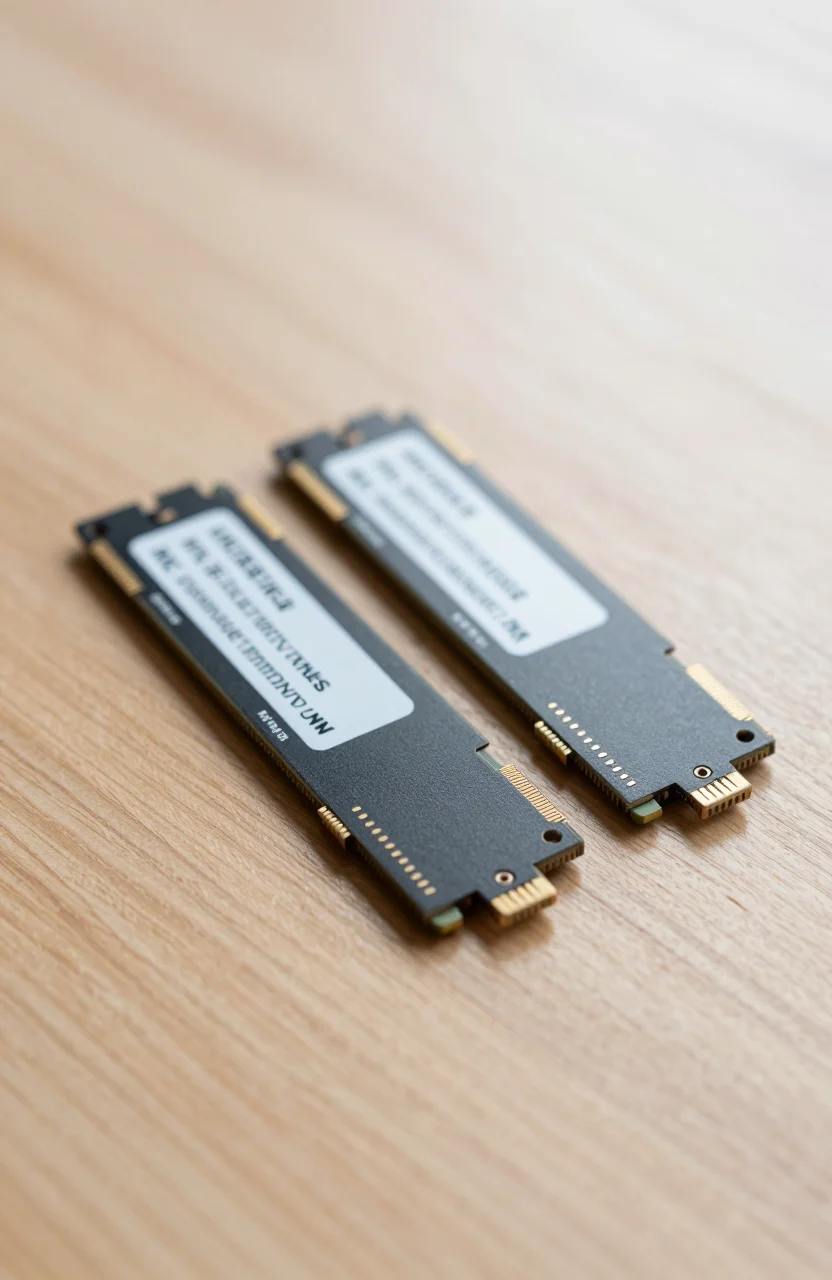
If you are shopping a high-capacity Gen4 NVMe for a desktop or laptop upgrade, two names keep showing up in the same cart: the Crucial T500 (around $369.50, up to 7400/7000 MB/s, often with an Adobe bundle) and the Samsung 990 EVO Plus (around $379.99, up to 7250/6300 MB/s, Magician software). Prices sit within about $10 of each other. Spec sheets look similar. The winner depends on how you write data, which software you actually use, and whether peak sequential numbers matter more than day-to-day feel.
For SSD fundamentals before you compare SKUs, read our ultimate SSD guide and SSD price per GB in 2026. For firmware hygiene after install, keep NVMe optimization tips handy.
Snapshot table
| Spec | Crucial T500 | Samsung 990 EVO Plus |
|---|---|---|
| Typical street price | ~$369.50 | ~$379.99 |
| Peak sequential (up to) | 7400 / 7000 MB/s | 7250 / 6300 MB/s |
| Interface class | PCIe Gen4 NVMe | PCIe Gen4 NVMe (EVO Plus positioning) |
| Software extras | Often Adobe Creative Cloud trial/bundle on retail | Samsung Magician (migration, health, encryption helpers) |
| Best fit | Creators who want write punch + bundle value | Users who live in Magician and want Samsung ecosystem |
Those sequential ceilings are marketing peaks on a capable Gen4 slot. Real gaming loads and Office work rarely saturate either drive. Large video dumps and disk clones do. Treat the table as a starting map, not a race finish line. Also confirm you are comparing the same capacity tier. A 2TB vs 4TB price delta can dwarf the brand gap overnight.
Speed and endurance in practice
On paper the T500 leads sequential write (7000 vs 6300 MB/s class). That helps when you park multi-gigabyte project folders, clone a system image, or stage game libraries overnight. The 990 EVO Plus stays close on reads (7250 vs 7400) and is more than enough for boot, shader compile spikes, and everyday installs.
Random IOPS and queue depth behavior matter more for snappy OS feel than a single big sequential number. Both drives are modern DRAM-or-HMB class consumer NVMe designs aimed at Gen4 hosts. You will feel the upgrade most when leaving a SATA SSD or a tired HDD boot disk, not when swapping one fresh Gen4 for another.
Endurance ratings move with capacity SKU. Do not buy from sequential banners alone. Check the TBW on the exact capacity you are ordering. For most home users, both drives outlast the PC they sit in if you leave over-provisioning alone and avoid filling the drive to 100% forever. Heavy video scratch disks and endless virtual machine images are the workloads that actually chew TBW. If that is you, buy more capacity than you think you need so wear leveling has room to work.
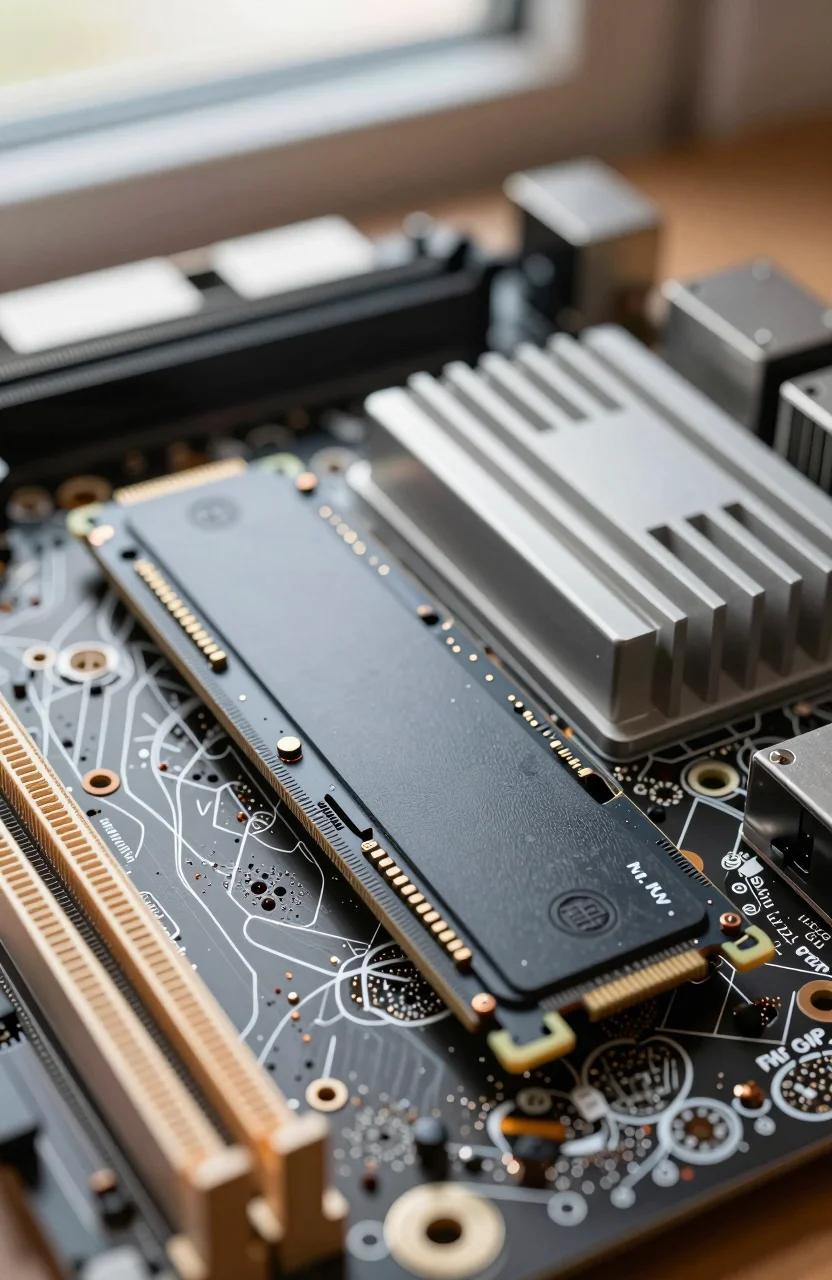
Thermal behavior matters in thin laptops and cramped ITX cases. Give either drive airflow or a motherboard heatsink. Sustained writes throttle if the controller cooks. A five-minute CrystalDiskMark screenshot after a cold boot is not your sustained story. Copy a 50GB folder twice and watch the second pass. If speed collapses hard, improve cooling before you blame the brand.
Software extras that change the cart
Crucial often sweetens T500 retail with an Adobe related bundle. If you already pay for Creative Cloud, that promo may be worthless. If you needed Photoshop or Premiere access anyway, the effective drive price drops. Read the current offer terms on the listing before you count it as cash. Bundles expire, change by region, and sometimes require a redemption window. Screenshot the offer when you buy so support tickets go faster later.
Samsung counters with Magician: drive health, firmware updates, secure erase helpers, and migration tools that many upgraders actually open. If you hate third-party cloners, Magician alone can tip the decision. Encryption helpers and performance modes are nice if you want one vendor dashboard. Neither software suite replaces a real backup. They just reduce friction on day one.
Still comparing these two? Glance at live pricing for the Crucial T500 and the SSD vs HDD primer if you are still deciding whether NVMe is the right media at all.
Value when prices sit this close
At ~$369.50 vs ~$379.99, you are not buying a different economic class. You are buying preference. Value math that matters:
- If the Adobe offer is useful to you, T500 often wins on effective cost
- If Magician and Samsung firmware cadence matter more, pay the small premium for 990 EVO Plus
- If sequential write dumps are your weekly reality, lean T500's 7000 MB/s class write ceiling
- If your motherboard is Gen3 only, both drives downshift and the gap shrinks hard - upgrade the platform first
Also watch capacity. A 2TB vs 4TB price jump can dwarf the brand delta. Buy the capacity you will fill in 18 months, not the logo on the sticker. Price per GB still rules when two drives are this evenly matched. If one SKU dips $40 on a weekend sale, that sale usually decides the cart more cleanly than any synthetic benchmark.
Warranty length and seller authenticity matter on marketplace listings. Prefer fulfilled stock with a clear return window. NVMe returns after install are messy once you have cloned an OS, so burn-in with a large write test before you migrate your only copy of anything important.
Verdict by profile
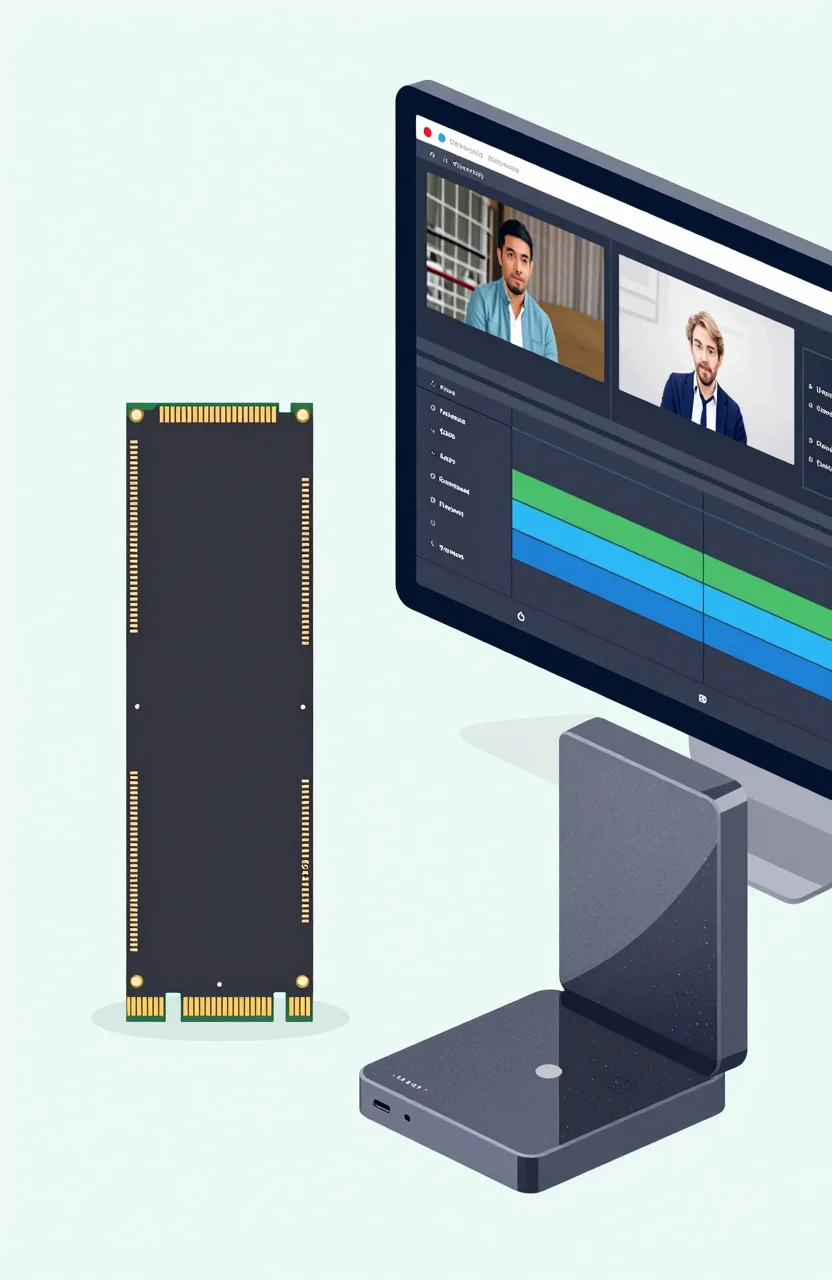
Pick the Crucial T500 if you move large files often, want the write-speed edge, and the Adobe bundle adds real value. Creators dumping timelines, photographers archiving RAW bursts to a second internal drive, and builders cloning images overnight fit this lane. Check the T500 listing when the cart is ready.
Pick the Samsung 990 EVO Plus if you want Magician in your toolkit, prefer Samsung's consumer support path, and your workload is read-heavy gaming or general productivity. Streamers who install big libraries once and then mostly read, plus laptop upgraders who want a guided migration, fit this lane. The 990 EVO Plus is the calmer ecosystem play at a near-identical street price.
Neither drive is a bad buy in a proper Gen4 slot with cooling. The "win" is the SKU that matches your software stack and write habits, not a 150 MB/s difference on a synthetic read chart you will never saturate while browsing. Install, leave free space, keep firmware current, and spend the leftover budget on a backup drive instead of chasing another 100 MB/s on a graph.