Search "recertified Seagate Exos" and you will hit two camps: people who swear these drives save hundreds of dollars in a NAS or archive box, and people who call the whole category a scam. Both sides are reacting to the same listing pattern. A Seagate Exos X18 16TB recertified often sits near $279.99 with roughly 4.2 stars from about 152 reviews, while a new 16TB enterprise drive can cost far more. That gap feels too good. So is it a scam, or just misunderstood inventory?
This guide sticks to what recertified Exos listings usually are, what warranty you typically get (often about 6 months), and when that trade-off is rational. If you want broader context on why capacity still favors spinning disks, start with our HDD basics guide and the high-capacity HDD breakdown.
Why people call it a scam
The scam label usually comes from expectation mismatch, not from a fake Amazon listing. Buyers see "Seagate Exos," assume new retail packaging with a full multi-year warranty, then open a plain drive (or bulk-style packaging) with a shorter coverage window. Reviews pile up around that surprise: "I thought this was new," "warranty is only months," "seller support was slow." Those complaints are real. They are not the same as "this is counterfeit plastic with no platters."
Enterprise drives also ship with different firmware defaults, louder seek noise, and higher idle power than desktop NAS models. Someone who expected a quiet home-office drive hears the Exos spin up and feels cheated. That is a product-class mismatch. Recertified stock amplifies it because the price looks consumer-friendly while the hardware is still data-center DNA.
Another trigger: price math. At ~$279.99 for 16TB you are near $17.50/TB. New retail at similar capacity can land closer to $25-$35/TB depending on the week. Big discounts invite skepticism. Healthy skepticism is fine. Treating every discount as fraud is how you overpay for cold storage you barely touch.
What recertified means
"Recertified" is not a single legal standard. On Exos-class listings it usually means a used or returned enterprise drive that was tested, wiped, and put back into commerce by a seller or refurbisher. You should expect:
- A drive that previously lived in a server, JBOD, or similar duty cycle
- Functional testing (SMART, surface checks) claimed by the seller, with quality that varies by seller
- Warranty measured in months, commonly around 6 months on Amazon-style Exos recert listings, not the multi-year new-drive term
- CMR platters on Exos X18 class drives, which matters for write-heavy RAID and backup jobs
What it does not automatically mean: factory-sealed new, full Seagate retail box warranty, or "like new hours." Power-on hours can be low or high. You only know after you plug it in and read SMART. That is the core honesty test. Recertified is a risk-adjusted discount, not a free lunch.
If you are comparing media types for archives, pair this with HDD vs SSD for long-term archiving. Recert Exos makes more sense for bulk cold data than for a laptop boot drive.
Ready to see a concrete listing? Check the current Exos X18 16TB recertified price before you lock a NAS rebuild budget.
Risks you should price in
Short warranty is the biggest practical risk. Six months is enough to catch early DOA and infant mortality. It is not enough if you want a "set and forget" drive for five quiet years with manufacturer support on day 1200. Plan for replacement cost and keep a spare bay or cold spare if the array matters.
Seller variance is next. One listing can be excellent. Another can ship a drive that fails SMART within weeks. Read recent reviews for that specific ASIN, not generic Exos praise. Watch for patterns: DOA rates, RMA friction, packaging damage.
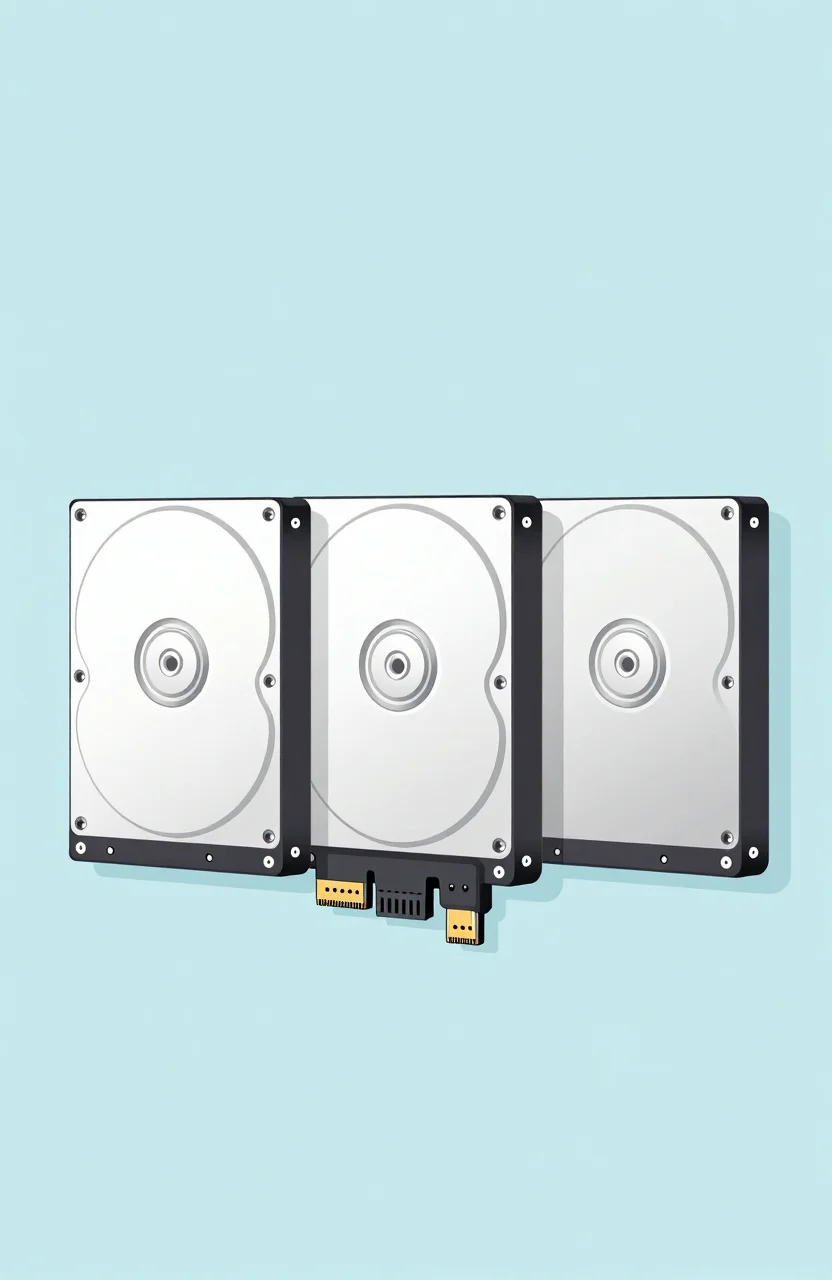
Workload mismatch hurts too. Exos thrives in always-on, vibration-aware chassis. Stick one in a poorly cooled USB dock, stack three bare drives on a desk, and you invite thermal and vibration stress. Recertified status does not cause that. Bad deployment does.
Finally, do not confuse this debate with external-drive shucking. Shucking is opening a consumer enclosure to pull the internal disk. A recertified Exos sold as a bare 3.5" drive is a different purchase path. Mixing the two stories in your head leads to bad advice and wrong expectations.
When it makes sense
Recertified Exos starts to look smart when all of these are true:
- You need high capacity per dollar for backups, media libraries, or secondary NAS volumes
- You already run redundancy (RAID1/5/6/ZFS, or at least a second copy elsewhere)
- You can burn-in the drive for several days and read SMART before trusting it
- A 6-month coverage window fits how you replace hardware
At ~$279.99 for 16TB, the Exos X18 recert can undercut buying two smaller new drives for the same usable space, especially if shipping and bay count matter. Pair that math with a real backup plan. The 3-2-1 backup rule still applies: cheap capacity without a second copy is still a single point of failure.
Skip recertified Exos if you need silent desktop use, a long manufacturer warranty as a purchasing requirement, or a single unprotected disk holding irreplaceable originals. In those cases pay more for a new NAS-class drive and sleep better.
Safer checklist before you click buy
Use this before any recertified enterprise HDD checkout:
- Confirm the exact model (Exos X18 16TB vs a random "enterprise" SKU)
- Note warranty length in the listing and seller terms (expect ~6 months on many recerts)
- Check recent review themes for DOA and RMA speed
- Budget time for burn-in: full write pass, SMART attribute review, reallocate/pending sector watch
- Deploy with redundancy and cooling that matches enterprise noise and heat
- Compare $/TB against a new drive the same week, not against last year's memory
If the checklist passes and the price still sits near $279.99, a recertified Exos is usually not a scam. It is a shorter-warranty, previously-used enterprise disk sold at a discount. That deal is fair when you treat it like industrial surplus with testing, not like a sealed consumer HDD with a five-year hug from the manufacturer.
See today's offer on the Seagate Exos X18 16TB recertified and decide with eyes open, not with forum panic.